
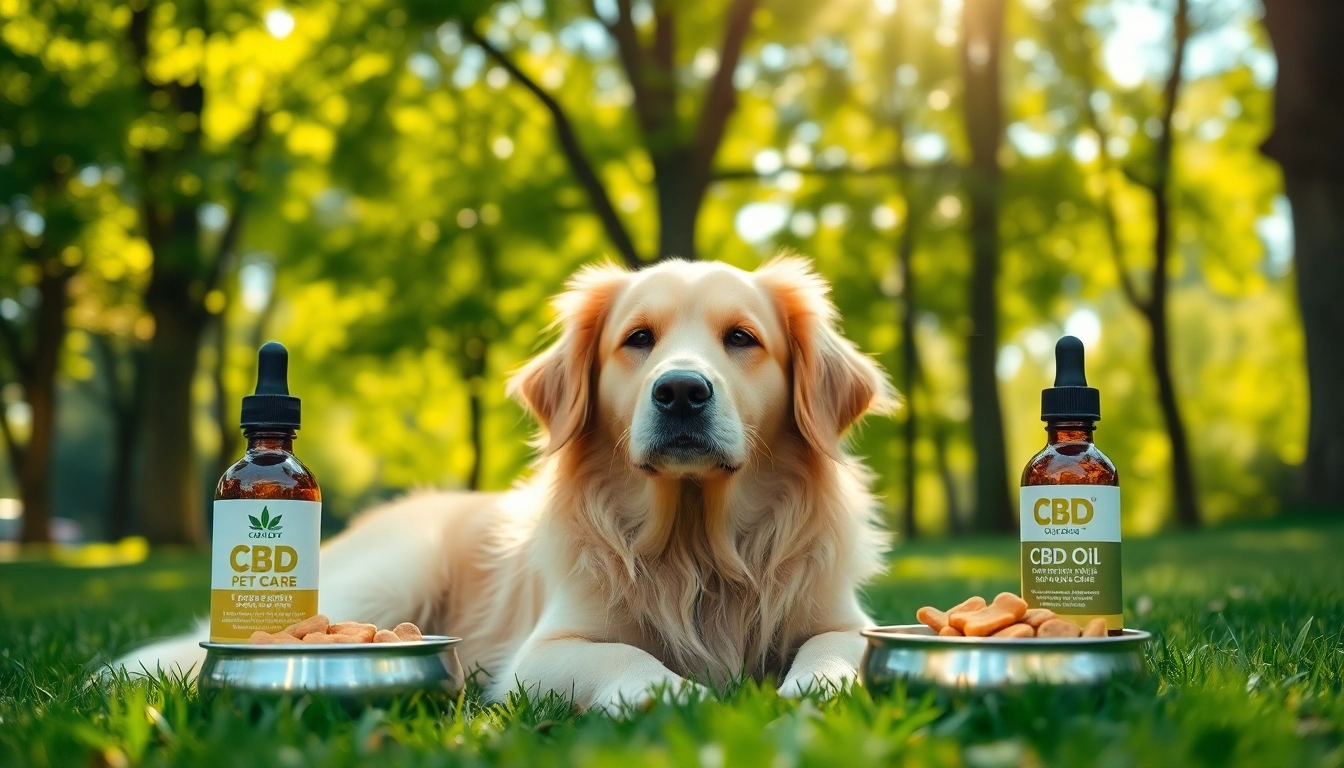
Understanding CBD For Pet: What Pet Owners Should Know
Introduction to CBD and Its Benefits
The rising popularity of cannabidiol (CBD) has not only transformed the wellness industry but has also found its way into the realm of pet care. As more pet owners look for holistic solutions to manage their furry friends’ health conditions, the question of CBD For Pet arises frequently. This interest is driven by anecdotal evidence and preliminary studies suggesting that CBD may provide various benefits for pets, akin to those seen in humans. CBD is a non-psychoactive compound derived from hemp that claims to aid in various health issues, including anxiety, chronic pain, and inflammation.
Incorporating CBD For Pet into your pet’s wellness routine can potentially lead to improvements in their quality of life. However, as with any supplement, it is crucial to understand its effects, benefits, and the legal landscape before introducing it to your pet’s regimen.
CBD For Pet: The Science Behind Its Effects
Understanding how CBD works at a biological level helps illuminate its potential applications for pets. CBD interacts with the endocannabinoid system (ECS), a regulatory system in both humans and animals. The ECS helps maintain homeostasis by regulating various physiological processes, including mood, appetite, and pain sensation. By interacting with cannabinoid receptors (CB1 and CB2), CBD may promote a balance in the ECS, supporting overall health.
Emerging studies indicate that CBD may help alleviate pain by inhibiting the activity of certain receptors that transmit pain signals. Moreover, it may reduce inflammation by interacting with cell receptors responsible for inflammatory responses, making it a potential ally in managing conditions such as arthritis or other inflammatory diseases commonly found in aging pets.
Common Misconceptions About CBD For Pet
As interest in CBD For Pet surges, so too do misconceptions. One prevalent myth is that CBD can cause a “high” in pets since it is derived from hemp. Unlike THC, another compound found in cannabis, CBD is non-psychoactive and does not produce intoxicating effects.
Another common fallacy is that all CBD products are created equally. In reality, the quality and concentration of CBD can greatly vary between products. It’s essential for pet owners to do thorough research and select reputable brands that provide transparency regarding their sourcing and manufacturing processes. Lastly, some believe CBD is a “cure-all” remedy for every ailment. While there are encouraging findings regarding its benefits, it is crucial to consult with a veterinarian to determine if CBD is appropriate and potentially effective for your pet’s specific health needs.
How CBD For Pet Can Alleviate Common Health Issues
Managing Anxiety and Stress in Pets
Pets, just like people, can experience stress and anxiety, which can manifest in various behaviors such as excessive barking, destructive chewing, or hiding. Several studies suggest that CBD may help mitigate these issues. CBD’s calming properties can aid in reducing stress levels, making it easier for pets to cope with situations like loud noises, vet visits, or changes in their environment.
For instance, research indicates that a significant percentage of dogs exhibited reduced anxiety during stressful scenarios after receiving CBD treatment. It acts as an anxiolytic, influencing serotonin levels and promoting relaxation. This effect is especially valuable for rescue animals or those with a history of trauma, offering them a chance to lead a more tranquil life.
Coping with Joint Pain and Inflammation
Joint pain and inflammation are prevalent in pets, particularly those that are aging or recovering from injury. CBD For Pet has gained visibility as a natural alternative to traditional pain medications, which can sometimes have adverse side effects. Through its interaction with the ECS, CBD may help alleviate pain and reduce inflammation, providing a more comfortable life for pets suffering from conditions like arthritis or hip dysplasia.
Several preliminary studies have shown that dogs treated with CBD showed improved mobility and comfort in movement, which enhances their overall quality of life. As CBD continues to gain acceptance among pet owners and veterinarians alike, it serves as a promising option for managing chronic pain.
Supporting Digestive Health with CBD For Pet
Digestive issues can significantly affect a pet’s well-being, leading to discomfort and behavioral changes. Research suggests that CBD may play a beneficial role in promoting digestive health by alleviating symptoms of nausea, stimulating appetite, and reducing gastrointestinal inflammation.
For pets suffering from conditions like inflammatory bowel disease (IBD), CBD may offer relief. By regulating the ECS, CBD can help in balancing gut motility and enhancing overall digestive function. Many pet owners have noted improvements in their pets’ eating habits and reduced symptoms of nausea when administering CBD.
Selecting the Right CBD For Pet Products
Types of CBD Products Available for Pets
When it comes to CBD for pets, various product forms are available. The most popular include oils and tinctures, which can be easily administered and dosed. There are capsules, treats, and topical applications designed for specific issues like joint pain or skin conditions, providing a range of options for every pet’s needs.
Pet owners should choose a product based on their pet’s preference and the specific health condition they wish to address. For example, anxious pets may benefit from tinctures administered before stressful events, while those with joint pain might find more relief from topical applications or treats formulated for pain management.
Factors to Consider When Choosing CBD For Pet
Selecting the right CBD product for your pet involves several critical considerations. Start by ensuring that the product is made from organic, hemp-derived CBD, as this provides a much cleaner and safer option for your pets.
Next, examine the concentration of CBD; products with clear dosing instructions and lab-tested formulations provide more reliability. Look for third-party testing results, which confirm that the product contains the amount of CBD stated on the label and is free from harmful substances. Additionally, consult your veterinarian, especially if your pet has underlying health issues or is on other medications.
Identifying Quality CBD For Pet Brands
Not all CBD brands are created equal, so pet owners should conduct thorough research to find trustworthy manufacturers. Look for companies that are transparent about their sourcing and production processes. Brands that provide Certificates of Analysis (COAs) can offer greater confidence in their product’s quality and potency.
Consumer reviews and testimonials can also provide helpful insights into a brand’s reputation. Often, firsthand accounts from other pet owners can guide your decision-making process and direct you away from subpar products.
Recommended Dosages and Administration of CBD For Pet
Starting with the Right Dosage
Determining the correct dosage of CBD For Pet is pivotal for maximizing benefits while minimizing potential side effects. Factors influencing dosage include the pet’s weight, age, and health condition. As a general rule, start with the lowest recommended dosage and gradually increase it while monitoring your pet’s response.
Consulting your veterinarian for initial dosage recommendations is wise, especially for pets with acute health concerns or those on medication. Most products will have dosing guidelines, but individual tolerance may vary, making personal observation essential.
Methods of Administering CBD For Pet
Administering CBD to pets can be done in various ways, depending on the formulation. Oils and tinctures can be applied directly into the mouth, mixed in food, or given as treats. If your pet is resistant to oral administration, consider using flavored treats designed for pets to mask the taste of CBD.
For topical applications, ensure the area is clean, and apply according to the product guidelines. Pay attention to your pet’s comfort and try various methods to find what works best for them.
Monitoring Your Pet’s Response to CBD
After starting your pet on CBD, it is essential to monitor their behavior and health closely. Evaluate changes in their anxiety levels, mobility, appetite, and overall demeanor. Consider keeping a journal to track any notable improvements or side effects over time.
If your pet experiences adverse reactions or shows minimal improvement after a reasonable period, consult your veterinarian to reassess the treatment plan. Adjustments in dosage or switching products may be necessary to achieve optimal results.
Legal Considerations and Safety of CBD For Pet
Understanding the Legal Landscape for CBD For Pet
The legal status of CBD for pets can vary by location, making it important for pet owners to stay informed. In many areas, CBD derived from hemp is legal; however, regulations can differ based on state laws. Always check local regulations to ensure compliance when purchasing or administering CBD products.
Additionally, keeping abreast of any changes in legislation regarding CBD for animals can help avoid potential legal issues and ensure a safe experience for both pets and owners.
Ensuring Safety: Regulations and Best Practices
While CBD is generally considered safe for pets, regulation in the pet supplement industry is limited. Ensuring product safety is paramount; this entails choosing products that have undergone comprehensive testing and adhere to best manufacturing practices.
Reputable brands often showcase their COAs, indicating their products’ safety and efficacy. Furthermore, avoid giving pets any CBD products containing THC, as it can be toxic to animals. A consult with a veterinarian can further mitigate safety concerns and optimize your pet’s health management plan.
Consulting Your Veterinarian About CBD For Pet
Given the ongoing research and evolving understanding of CBD’s effects, consulting your veterinarian remains crucial. A knowledgeable vet can provide tailored advice based on your pet’s individual needs, existing health conditions, and overall wellness goals.
Incorporating CBD into your pet’s routine should be done thoughtfully and responsibly, ensuring that your furry friend receives the highest quality care possible. As research continues to unfold, CBD For Pet shows promise in enhancing the health and quality of life for many beloved companions.