Understanding CBD Oil and Its Benefits
What is CBD Oil?
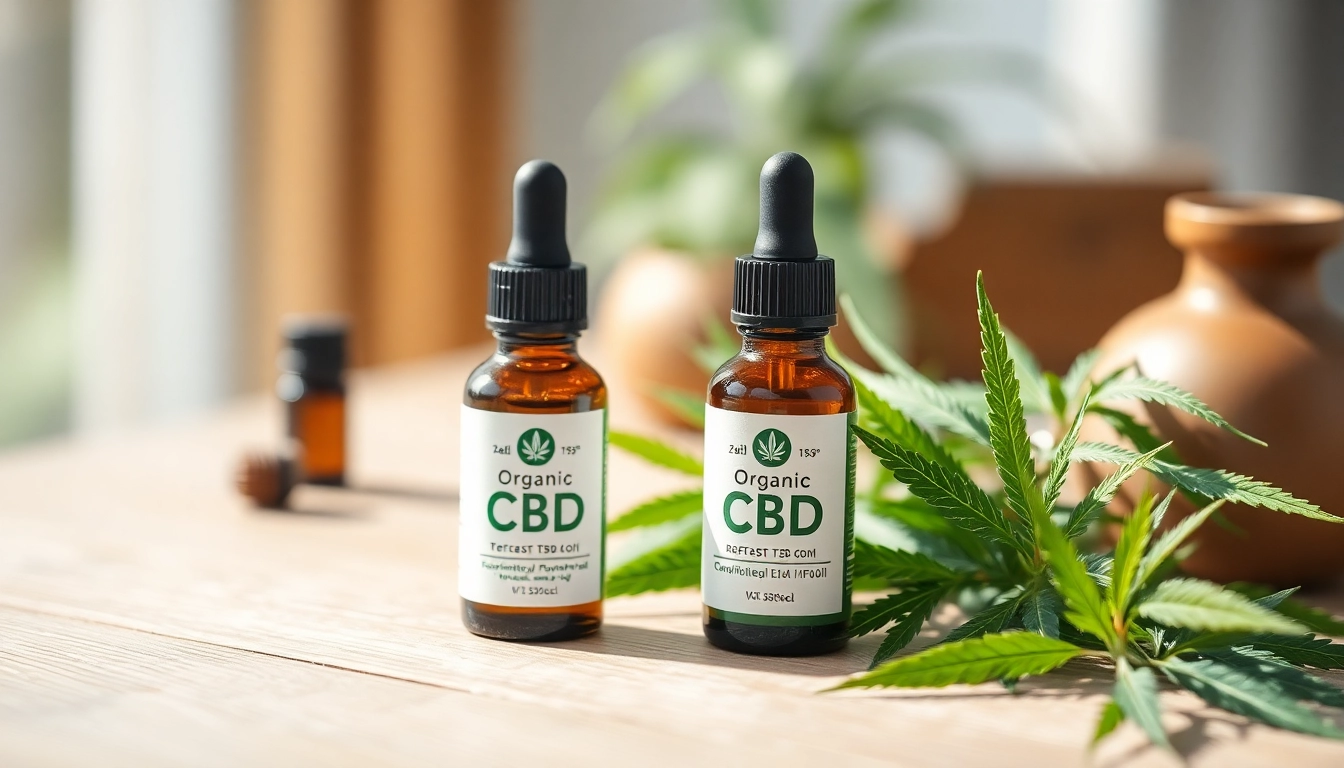
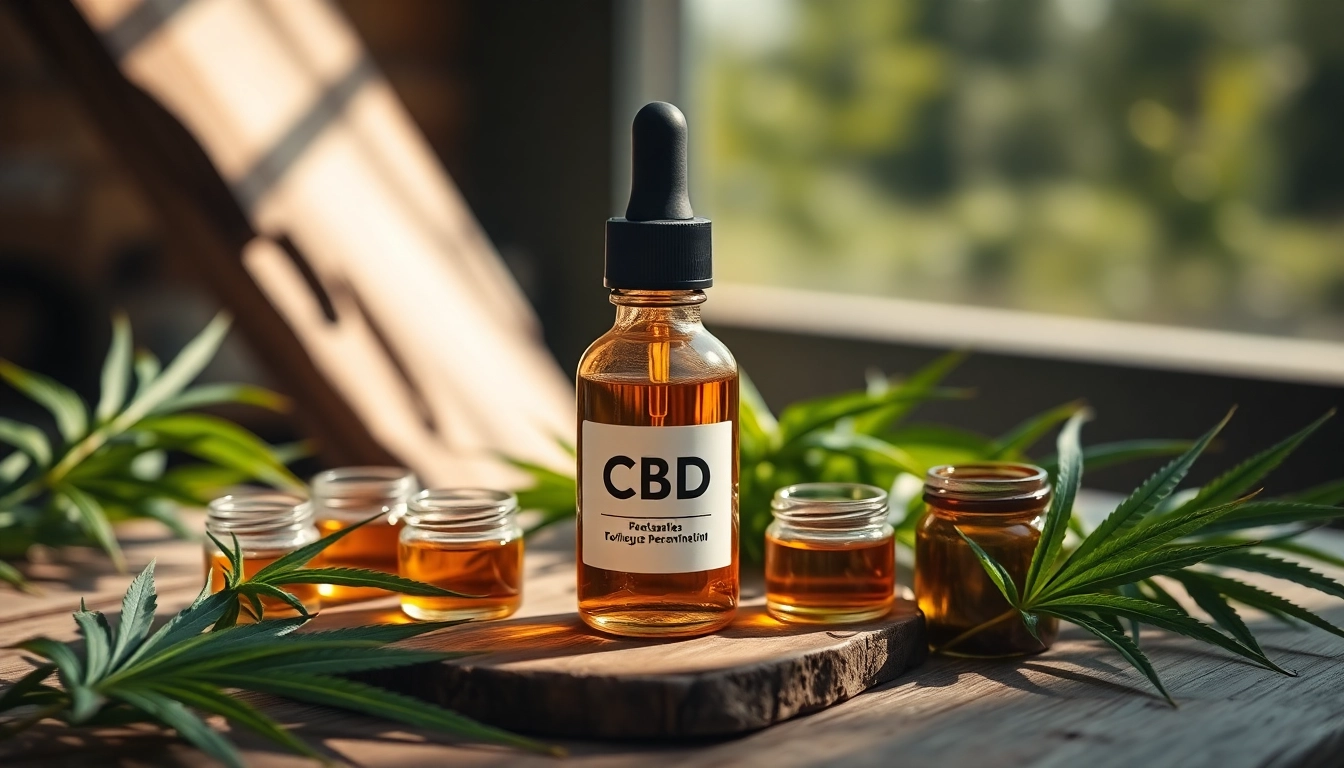
Cannabidiol, commonly known as CBD, is one of the many phytocannabinoids found in the cannabis plant. Unlike its well-known counterpart, tetrahydrocannabinol (THC), CBD does not produce psychoactive effects. This non-psychoactive property makes CBD oil an appealing choice for those seeking the potential benefits of cannabis without the mind-altering effects. CBD oil is generally extracted from hemp, a variant of the cannabis plant that is low in THC but rich in CBD. The extraction process isolates CBD from the plant material, which is then mixed with a carrier oil such as hemp seed oil or coconut oil for consumption. As interest in natural remedies has surged, the popularity of CBD oil has exploded, leading to its widespread use in various health and wellness applications, including as an ingredient in edibles and topical applications. For more information on CBD Oil, you can explore further on CBD Oil.
Main Benefits of CBD Oil
The potential benefits of CBD oil have attracted significant attention from both consumers and researchers. Here are some of the primary advantages associated with CBD oil:
- Pain Relief: Many users report that CBD oil helps alleviate chronic pain, including conditions such as arthritis and fibromyalgia. Research indicates that CBD interacts with endocannabinoid receptors in the brain and immune system, modulating pain perception.
- Anti-Inflammatory Properties: CBD’s anti-inflammatory effects have been studied extensively. It has shown promise in reducing inflammation-related symptoms in various conditions, including skin disorders, inflammatory bowel diseases, and more.
- Anxiety and Stress Relief: A growing body of evidence suggests that CBD oil can have anxiolytic (anxiety-reducing) effects. This makes it a popular choice for those seeking to manage anxiety, stress, and even symptoms associated with post-traumatic stress disorder (PTSD).
- Sleep Aid: CBD oil may help improve sleep quality, making it an attractive option for those suffering from insomnia or disrupted sleep patterns. Its calming properties can promote relaxation, making it easier to fall asleep.
- Neuroprotective Effects: Emerging research points to CBD oil’s potential in protecting brain health, especially concerning neurodegenerative diseases such as Alzheimer’s and multiple sclerosis.
- Heart Health: Some studies indicate that CBD oil might contribute to cardiovascular health by reducing blood pressure and minimizing oxidative stress.
Common Uses of CBD Oil in Daily Life
CBD oil has found its way into various aspects of daily life, from wellness routines to specialized applications. Here are some common uses:
- Supplement for Wellness: Many integrate CBD oil into their wellness routines, taking it daily in capsule form or tinctures to potentially enhance overall well-being.
- Topical Treatments: CBD-infused creams and balms are used for localized pain relief, muscle soreness, and skin health. These products often contain additional soothing ingredients, enhancing their effectiveness.
- Edibles and Drinks: From infused gummies to beverages, CBD has been incorporated into many consumable products, allowing users to consume it conveniently and enjoyably.
- Pet Products: The application of CBD is not limited to humans; pet owners increasingly use CBD oil to help manage anxiety, joint pain, and other health issues in their animals.
How CBD Oil Works in the Body
The Endocannabinoid System Explained
The human body has an intricate system known as the endocannabinoid system (ECS), which plays a crucial role in maintaining homeostasis, or balance, within various physiological processes. The ECS consists of cannabinoid receptors (CB1 and CB2), endocannabinoids produced by the body, and metabolic enzymes that break down these compounds. Found throughout the brain, nervous system, and immune system, these receptors interact with cannabinoids (like cannabinoids from hemp) to promote various responses in the body.
Interaction of CBD Oil with Receptors
While THC binds directly to CB1 receptors in the brain, leading to psychoactive effects, CBD oil interacts differently with this system. It is known to modulate the activity of both CB1 and CB2 receptors, facilitating a range of effects without the high commonly associated with THC. Moreover, CBD can enhance the body’s own production of endocannabinoids, potentially leading to improved health outcomes.
Potential Health Benefits and Scientific Studies
Numerous scientific studies have explored the potential health benefits of CBD oil. Clinical trials examining CBD’s efficacy in managing chronic pain, anxiety, and sleep disorders are ongoing, with many preliminary findings showing promise. For instance, a comprehensive review of research has suggested that CBD significantly reduces anxiety levels in both animal and human studies. Another study has indicated that CBD oil may have anti-seizure properties, particularly in certain forms of epilepsy, leading to the FDA’s approval of CBD-based medications for treatment. Further studies are necessary to fully establish the scope of CBD’s health benefits, but research thus far has been compelling.
How to Choose Quality CBD Oil
Identifying Key Certifications and Lab Tests
With the influx of CBD products in the market, selecting a high-quality CBD oil is paramount. Here are key factors to consider:
- Third-Party Lab Testing: Reputable brands will provide third-party lab test results to verify the purity and potency of their products. Look for results that show no harmful contaminants, such as heavy metals or pesticides.
- Certificate of Analysis (COA): This document provides a detailed analysis of the compound contents in CBD oil, confirming it meets legal requirements and consumer expectations.
- Source of Hemp: Quality is often determined by the source of the hemp used in the product. Hemp grown in the United States or Europe, under stringent agricultural guidelines, is generally preferred.
Understanding Different Types of CBD Oil
CBD oil comes in various forms, and understanding these can help you make an informed choice:
- Full-Spectrum CBD Oil: This oil contains all cannabinoids found in the hemp plant, including trace amounts of THC (below 0.3%). This formulation is believed to provide the “entourage effect,” where various compounds work synergistically for enhanced effects.
- Broad-Spectrum CBD Oil: Similar to full-spectrum, but without THC, broad-spectrum CBD offers multiple cannabinoids and potential combined effects without the presence of THC.
- CBD Isolate: This is pure CBD, with no other cannabinoids or extracted compounds. Ideal for those who wish to avoid THC entirely.
Dosage Recommendations and Guidelines
Determining the correct dosage of CBD oil can be complex, as individual needs vary based on factors such as body weight, metabolism, and the condition being treated. A general guideline is to start with a low dose, often around 5-10 mg of CBD, and gradually increase as needed while monitoring effects. Always consult a healthcare professional for personalized recommendations, especially if you are taking other medications or have underlying health conditions.
CBD Oil: Risks and Side Effects
Potential Side Effects of CBD Oil
While many users experience benefits from CBD oil, it is essential to be aware of potential side effects:
- Drowsiness: Some users may experience fatigue or drowsiness, particularly at higher doses.
- Dry Mouth: It is common for some users to report a dry mouth after taking CBD oil.
- Changes in Appetite: CBD can influence appetite, leading to either an increase or decrease in hunger.
- Diarrhea: In some cases, especially with higher doses, diarrhea may occur.
Who Should Avoid CBD Oil?
Certain individuals should exercise caution or avoid CBD oil altogether. Pregnant or breastfeeding women should consult with a healthcare provider before using CBD. Additionally, individuals with a history of liver disease or those taking medications that have potential interactions with CBD should seek medical advice prior to use.
Consulting a Healthcare Professional
Before starting any CBD oil regimen, consulting with a healthcare professional is prudent. They can provide tailored advice based on your individual health status, current medications, and specific conditions. A healthcare provider can help ensure that CBD oil’s potential benefits outweigh any risks associated with usage.
Incorporating CBD Oil into Your Routine
Practical Tips for Daily Use
To effectively incorporate CBD oil into your daily routine, consider these practical tips:
- Consistency is Key: Establish a routine to take CBD oil at the same time each day, whether in the morning with breakfast or at night.
- Combination with Food: Taking CBD oil with food can enhance absorption and mitigate potential digestive side effects.
- Keep a Journal: Document your experiences, noting dosage, timing, and effects to help determine the most effective routine for you.
Complementary Health Practices with CBD Oil
For optimal benefits, consider combining CBD oil with other health practices:
- Meditation and Mindfulness: Pairing CBD oil with mindfulness practices can enhance relaxation and reduce anxiety.
- Exercise: Regular physical activity can boost the effectiveness of CBD oil, especially related to pain management and anxiety reduction.
- Healthy Nutrition: Maintaining a balanced diet can improve overall wellness and complement the benefits of CBD oil.
Real-Life Success Stories with CBD Oil
Many individuals have shared their positive experiences with CBD oil. From managing chronic pain and alleviating anxiety to better sleep, these testimonials illustrate the diverse applications and potential benefits of CBD oil. Real-life case studies highlight how CBD has helped people reclaim their quality of life, providing a natural alternative to conventional medications.