Understanding PPF Winter Road Salt Protection
The winter months bring numerous challenges for vehicle owners, especially in regions where winter road salt is heavily utilized to manage icy and slippery conditions. While road salt keeps roads safer, it poses a significant threat to your car’s paint and overall durability. This is where PPF winter road salt protection comes into play. Paint Protection Film (PPF) can be a game-changer, offering a robust shield that helps keep your vehicle safe from corrosive substances and adverse winter conditions.
What is PPF?
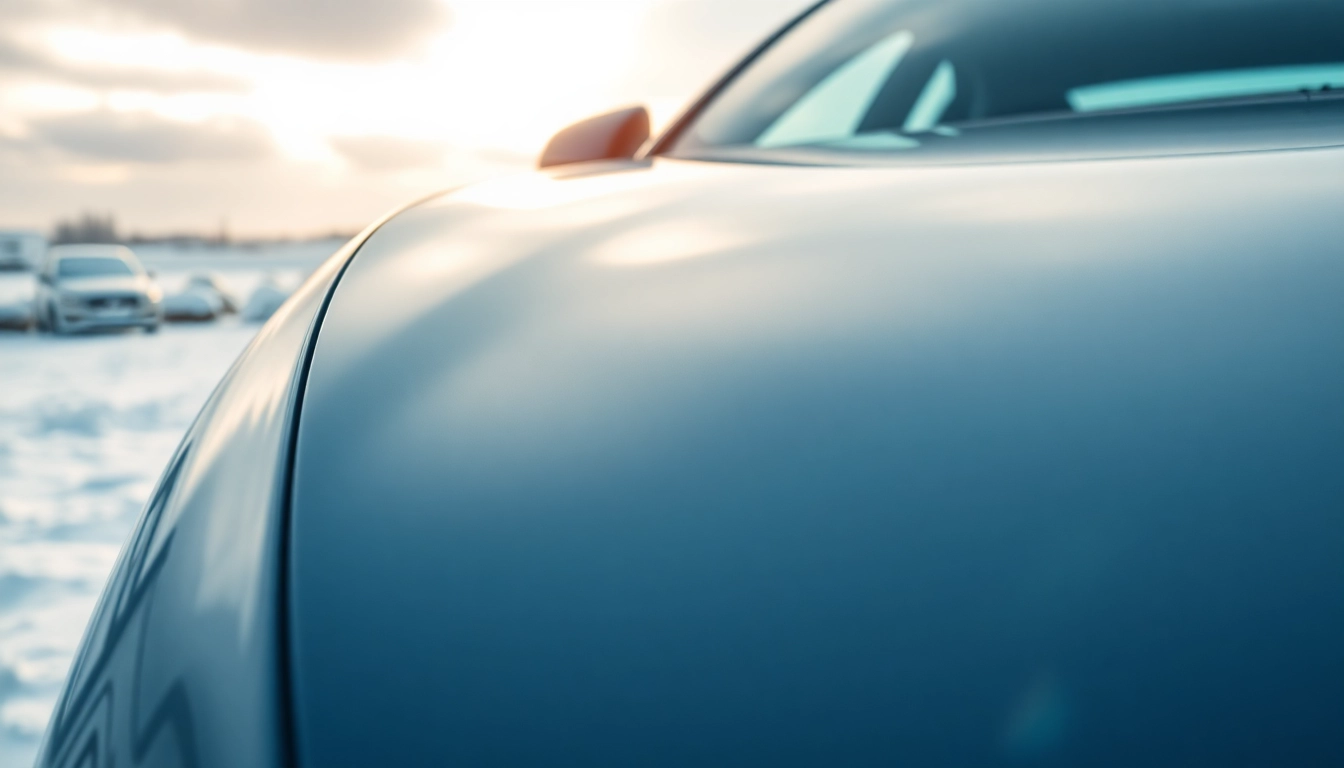
Paint Protection Film (PPF) is a transparent, durable urethane film that is applied to a vehicle’s surface to protect it from a myriad of potential damages. Originally developed for military applications, PPF is now widely used in the automotive industry to preserve the aesthetics of vehicles while providing essential protection. This film acts as a barrier against scratches, stains, rock chips, and, importantly, damaging salts and chemicals used during winter road maintenance.
How Does PPF Combat Winter Salt Damage?
PPF creates a strong and resilient layer on top of your car’s paint, which significantly minimizes the risk of damage caused by road salt. When winter hits, these salts can become abrasive, leading to corrosion and paint degradation. The unique properties of PPF provide several defenses:
- Barrier Protection: PPF forms a protective coat, absorbing impacts and preventing corrosive substances from reaching the paint.
- Chemical Resistance: The film is designed to withstand the harmful effects of chemicals, including those found in road salt.
- Self-Healing Properties: Many modern PPFs feature self-healing qualities, meaning minor scratches and abrasions can “heal” when exposed to heat.
Benefits of Applying PPF in Winter
Applying PPF during the winter months offers multiple advantages that extend beyond mere aesthetics:
- Enhanced Resale Value: A car that maintains its original paint in excellent condition typically commands a higher resale price.
- Cost Savings on Repairs: Protecting your paint can save you from costly repainting and repair jobs in the long run.
- Ease of Maintenance: PPF is easy to clean, as it repels dirt and grime, allowing for effortless maintenance during winter storms.
Preparation Steps for PPF Installation
Assessing Your Vehicle’s Current Condition
Before applying PPF, it’s imperative to assess your vehicle’s condition. Look for any scratches, chips, or existing damage on the paint surface. Addressing these issues prior to PPF application is essential, as it ensures that the film adheres correctly and does not trap existing damage underneath. Consider having a professional detail your car to provide a clean slate for installation.
Choosing the Right Type of PPF
There are various types of paint protection films available, each with unique features. When selecting the right PPF for your vehicle, consider:
- Thickness: Thicker films typically provide better protection against impacts.
- Finish: Choose between gloss, satin, or matte finishes based on your preference and vehicle aesthetics.
- Self-Healing Technology: Films that can heal themselves from minor scratches are highly beneficial for maintaining a pristine look.
Necessary Tools and Materials
To ensure a successful PPF installation, it’s essential to gather all necessary tools and materials:
- Puzzles of PPF in your chosen finish
- Application solution (typically soapy water)
- Squeegee or application tool
- Microfiber towels for cleaning and buffing
- Heat source (like a heat gun) for shaping the film
Application Process of PPF
Step-by-Step Installation Guide
Installing PPF can be done as a DIY project or by professionals. Below is a step-by-step guide for those who opt to do it themselves:
- Preparation: Thoroughly clean your vehicle and dry it completely.
- Measure and Cut: Measure the areas to cover and cut the PPF slightly larger than needed.
- Application Solution: Spray the application solution onto both the car surface and the PPF’s adhesive side.
- Positioning: Position the PPF over the desired area carefully. If adjustments are needed, you have a small window of opportunity before adhesion begins.
- Squeegee Out Air: Use the squeegee to push out air bubbles and excess liquid from under the film.
- Heat Activation: Use the heat gun to activate self-healing properties and ensure good adhesion, especially around curves and edges.
- Final Touches: Trim any excess film and wipe down the surface with a microfiber towel.
Common Mistakes to Avoid
When applying PPF, avoiding certain pitfalls can make all the difference in the outcome:
- Skipping Surface Preparation: Not cleaning the paint thoroughly can lead to adhesion issues.
- Improper Temperature: Applying PPF in extreme temperatures can affect adhesion. Aim for a moderate temperature.
- Ignoring Edges: Overlooking the edges can result in lifting or peeling after application.
Post-Installation Care Tips
Proper care after installation is crucial to ensure the longevity of your PPF:
- Avoid washing your vehicle for at least a week after installation to allow the film to adhere properly.
- Use mild, pH-neutral cleaners when washing. Avoid harsh chemicals that may damage the film.
- Regularly inspect the edges to ensure they remain secure and free from dirt buildup.
Long-Term Maintenance of PPF
Regular Cleaning Practices
Maintaining the appearance of your PPF is essential for its lifespan. Here are cleaning best practices:
- Use a soft sponge or microfiber cloth to wash your vehicle gently.
- Rinse thoroughly to remove soap and debris, ensuring no residue is left on the film.
- Consider applying a ceramic coating for added protection against contaminants.
Signs of Wear and Tear on PPF
Regularly inspect your PPF for any signs of damage or wear, such as:
- Peeling edges, which can indicate poor adhesion or aging.
- Yellowing, particularly in lower-quality films subjected to UV exposure.
- Visible scratches or abrasions that may not heal properly.
How to Repair Minor Damages
Should minor damage occur, many PPFs can self-heal. For deeper scratches or cuts, consider these tips:
- Apply heat cautiously to encourage the film to return to its original state.
- If damage persists, consult a professional PPF installer for replacement sections.
Frequently Asked Questions About PPF
How long does PPF last during winter conditions?
High-quality PPF can last anywhere from 5 to 10 years, even in harsh winter conditions, maintaining its protective capabilities throughout.
Can PPF be removed easily?
Yes, PPF can be removed without damaging the underlying paint when done carefully. Professional help is recommended for best results.
Will PPF change the look of my car?
PPF is transparent, meaning it typically does not alter your car’s appearance significantly unless you choose a tinted finish.
How does PPF affect vehicle resale value?
PPF can enhance resale value by preserving the vehicle’s original paint condition, making it more attractive to potential buyers.
Is professional installation necessary for PPF?
While DIY installation is possible, professional installation ensures optimal application and longevity, especially for intricate or high-value vehicles.