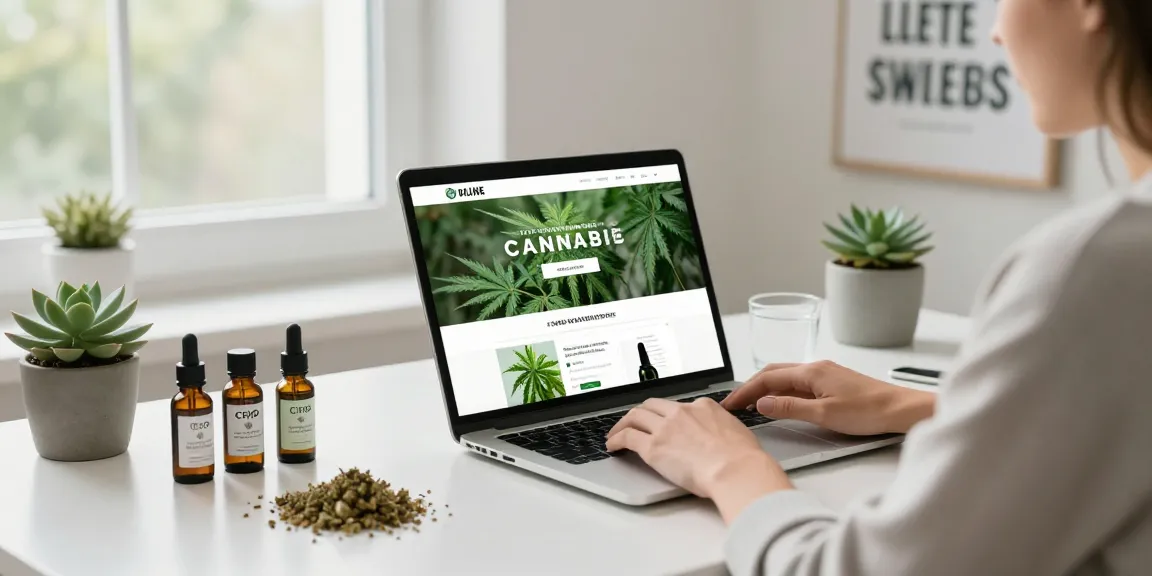
Health Benefits of CBD and THC
The world of cannabis is vast and nuanced, comprising various compounds with unique properties. Among these, CBD (cannabidiol) and THC (tetrahydrocannabinol) stand out for their therapeutic potential. As an increasing number of individuals turn to these compounds for relief and wellness, understanding their distinct effects and benefits is essential. Research into cannabinoids shows promise in several health areas, making them popular choices in natural treatment approaches. When exploring options, Most trusted online dispensary shipping worldwide offers a comprehensive selection of products that cater to these needs.
Understanding Cannabinoids and Their Effects
Cannabinoids are naturally occurring compounds found in the cannabis plant. They interact with the endocannabinoid system (ECS), a complex cellular signaling system that plays a critical role in regulating various physiological processes. CBD and THC notably bind to ECS receptors, but they elicit different responses. THC, known for its psychoactive effects, tends to produce feelings of euphoria or "high," while CBD is non-intoxicating and is often praised for its calming and therapeutic properties.
Potential Therapeutic Applications for Specific Conditions
Numerous studies suggest that CBD may be effective for a variety of health issues. For instance, it may help manage anxiety and depression, alleviate pain and inflammation, and improve sleep quality. Conversely, THC is often utilized to stimulate appetite and reduce nausea, particularly in patients undergoing chemotherapy. Research is still ongoing, but the therapeutic potential heralded by cannabinoids supports their inclusion in wellness regimens.
The Role of Terpenes in Enhancing Effects
Beyond CBD and THC, terpenes — organic compounds that contribute to the aroma and flavor of cannabis — play a substantial role in the plant's therapeutic effects. Terpenes like myrcene, limonene, and pinene interact with cannabinoids to create what is known as the "entourage effect," where the combined effects of these compounds enhance the desired benefits, contributing to a richer therapeutic experience.
Types of CBD Product Formats Available
The cannabis market offers a plethora of CBD products tailored to meet diverse consumer preferences. Understanding these formats can help users choose the right product for their needs.
Oils and Tinctures: Versatility in Use
CBD oils and tinctures are among the most versatile product formats available. They are commonly administered sublingually to promote quick absorption into the bloodstream. The bioavailability of tinctures can vary widely, often resulting in the rapid onset effects that many users find desirable. When selecting an oil or tincture, it's essential to pay attention to its concentration and formulation for optimal dosing.
Edibles: A Delicious Way to Consume CBD
Edibles, such as gummies, candies, and beverages, offer a palatable way to consume CBD. The onset time for edibles is typically longer due to the digestion process, which can take anywhere from 30 minutes to two hours to yield effects. However, the duration of effects tends to be longer compared to other forms, making them a popular choice for prolonged relief. It's crucial for consumers to read labels carefully to ensure proper dosing.
Topicals and Vapes: Targeted Relief Options
Topicals, including creams, balms, and patches, are designed for localized relief. They work by being absorbed through the skin, targeting specific areas without entering the bloodstream. This characteristic makes them ideal for soothing sore muscles or skin irritations. Vaping, on the other hand, provides instant effects through inhalation, utilizing vape juice that often contains CBD or THC. Users should approach vaping with caution, understanding the mechanics behind devices and respiratory health considerations.
How to Safely Dose CBD and THC Products
Determining the right dosage of CBD or THC can be a nuanced experience, especially for beginners. A basic understanding of various factors influencing dosing is essential for safety and efficacy.
Initial Dosage Guidelines for Beginners
Starting with a low dose is advisable, especially for those unfamiliar with cannabis products. A common recommendation is to begin with a dose of 5-10 mg of CBD or THC and gradually increase as needed. Tracking effects can help users identify the optimal dosage for their specific needs.
Titration: Finding Your Perfect Dose
Titration involves adjusting the dosage gradually until the desired effects are achieved. Users should allow several days between adjustments to gauge their body's response effectively. This approach emphasizes patience and personalization in dosing, leading to a more tailored experience.
Factors Affecting Dosing: Bodyweight and Metabolism
Individual factors such as body weight, metabolism, and personal tolerance levels play significant roles in determining the appropriate dosage. Heavier individuals may require higher doses to achieve the same effects as lighter users. Additionally, metabolic rates can influence how quickly cannabis compounds are processed and felt in the body.
Quality Standards in Cannabis Products
As the cannabis market expands, quality and safety remain paramount for consumers. Understanding how to differentiate high-quality products from inferior ones is critical.
Importance of Third-Party Lab Testing and COAs
Third-party lab testing is essential for verifying the potency and purity of cannabis products. A Certificate of Analysis (COA) should accompany products, detailing cannabinoid concentrations and confirming the absence of harmful contaminants, including pesticides, heavy metals, and solvents.
Recognizing High-Quality Ingredients
Identifying products made from high-quality ingredients involves examining the source of the cannabis, extraction methods used, and overall transparency from the brand. Organic certifications and adherence to Good Manufacturing Practices (GMP) also signal product integrity.
Understanding Full-Spectrum vs. Isolate Products
Full-spectrum products contain a wide range of cannabinoids, terpenes, and other beneficial compounds from the cannabis plant, preserving the entourage effect that can enhance therapeutic benefits. Conversely, isolates consist of pure CBD or THC, offering a more targeted approach but lacking the synergistic effects of broader formulations.
Legal Considerations for CBD and THC Use
The legal landscape surrounding cannabis is fluid and varies significantly between regions. Awareness of local, state, and federal laws is crucial for compliance.
Current Federal Regulations in 2026
The 2018 Farm Bill legalized hemp-derived CBD products, as long as they contain less than 0.3% THC. However, regulations continue evolving, and consumers must stay informed about changes at both federal and state levels.
State-Specific Legislation: What You Should Know
Individual states have various laws governing the sale and use of cannabis products. Some states allow recreational use, while others limit products to medical use only. Familiarizing yourself with local regulations can prevent legal complications.
International Shipping and Legal Compliance
For online dispensaries shipping products worldwide, international regulations can vary significantly. Compliance with both exporting and importing country laws is crucial to ensure that products reach consumers without legal issues.
What are the key benefits of using CBD?
CBD is lauded for its potential health benefits, including:
- Reducing anxiety and stress
- Improving sleep quality
- Alleviating chronic pain and inflammation
- Enhancing focus and mental clarity
- Supporting post-workout recovery
Can CBD interact with other medications?
Yes, CBD can interact with certain medications, particularly those metabolized by the liver enzymes CYP450. It's crucial for individuals to consult healthcare professionals before starting CBD, especially if they are on other medications.
What is the difference between CBD and THC?
CBD and THC are both cannabinoids but differ primarily in their psychoactive effects. While THC is intoxicating and produces a high, CBD is non-psychoactive and is often utilized for its therapeutic properties without impairment.
How do I determine the right dosage for myself?
Determining the right dosage of CBD or THC is contingent upon several factors, including individual tolerance, body weight, method of consumption, and desired effects. Starting low and titrating up allows users to find their optimal dose safely.
Safety & Compliance
Ensuring safety while using cannabis products requires an understanding of potential side effects and getting to know product labels.
Potential Side Effects and Contraindications
Common side effects of cannabis use can include drowsiness, dry mouth, and digestive changes. It's vital for users to be aware of these effects and consult healthcare professionals when necessary.
Drug Interactions and Warnings
Certain medications, especially those affecting blood clotting and seizure control, can interact negatively with cannabis. Pregnant and breastfeeding individuals should avoid cannabis due to the risk of potential harm to the fetus or infant.
When to Avoid CBD Use
Individuals should refrain from using CBD products in critical situations, such as operating machinery, where drowsiness and concentration deficits could pose safety risks.
Quality Control and Counterfeit Product Warnings
As the industry matures, counterfeiting remains a concern. Consumers should remain vigilant for red flags, such as unclear labeling, lack of COAs, or products sold at unrealistically low prices.
Content Quality & Depth
By emphasizing quality health content with scientific backing, consumers can make informed decisions regarding CBD and THC products. Reliable sources and well-researched information should always underline wellness choices in the cannabis landscape.
SEO Optimization
In creating content that ranks well, incorporating relevant keywords and phrases naturally enhances search visibility while remaining informative. Terms like "CBD products," "hemp extract," and "natural remedies" should weave seamlessly into the text.