Understanding AI Image Detection
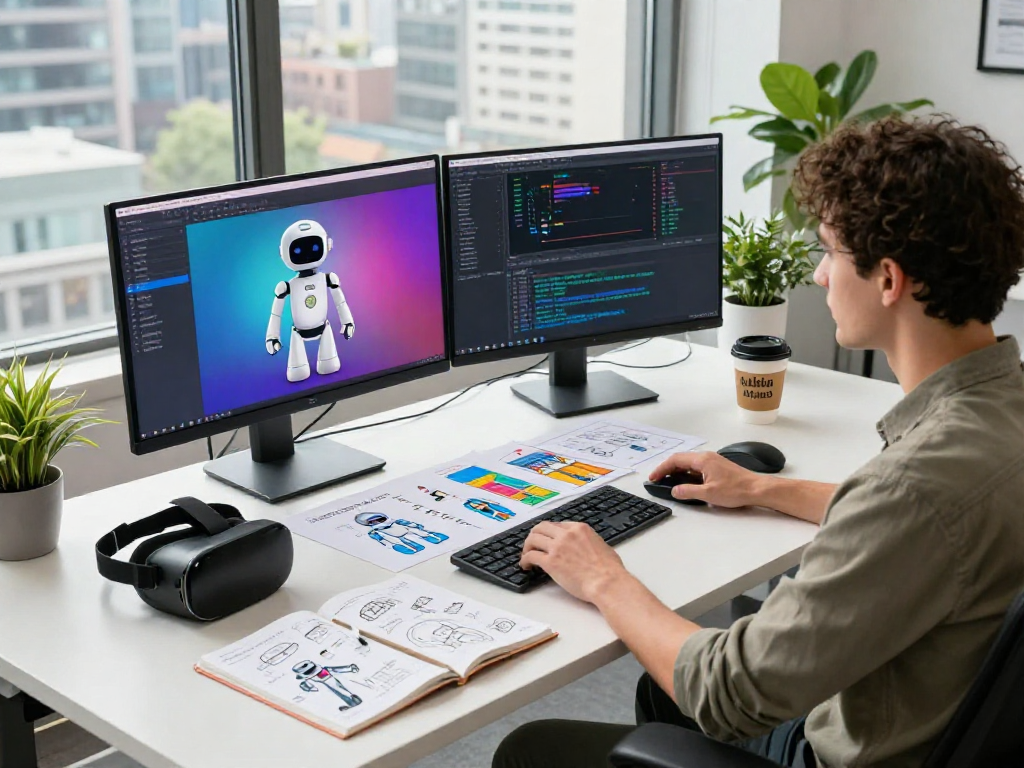
As artificial intelligence technology continues to evolve, the capacity to detect ai image has become a critical aspect of content moderation across various industries. AI image detection refers to the process of identifying and analyzing images, particularly those generated or altered by AI, to ensure safety and compliance on digital platforms. This technology is vital for businesses and organizations striving to maintain community standards and protect users from inappropriate or harmful content.
What Is AI Image Detection?
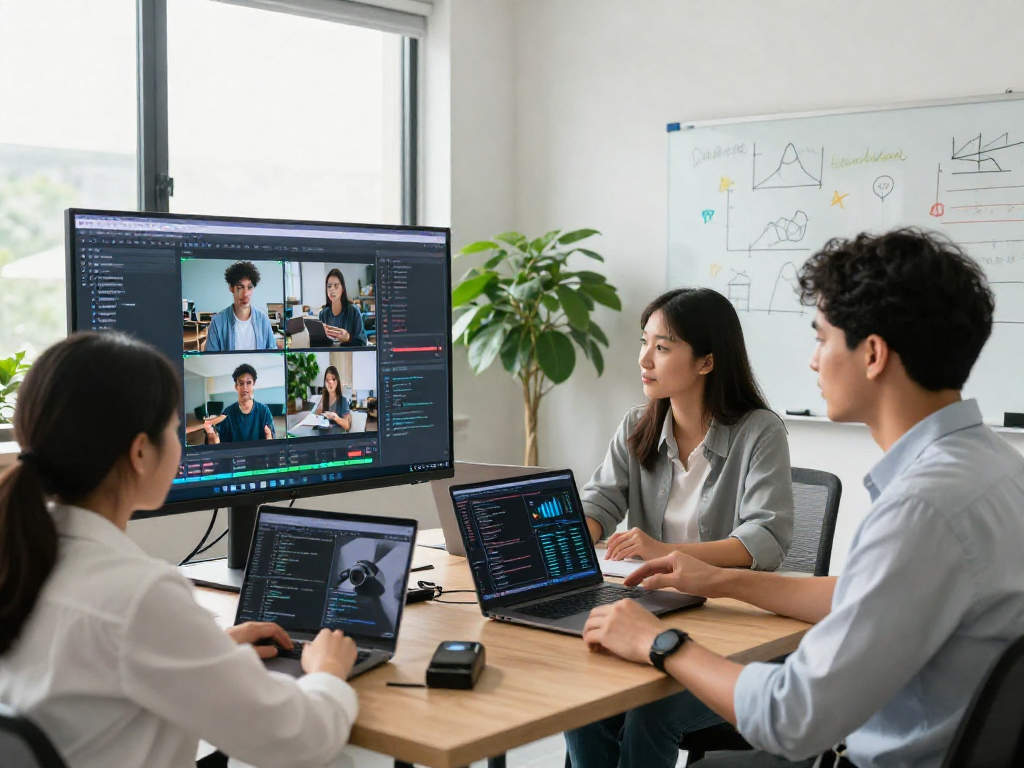
AI image detection utilizes advanced algorithms and machine learning models to identify the content within images. This encompasses a range of functionalities, such as recognizing objects, facial expressions, and even the context in which images were created or modified. The primary goal is to automate the moderation process, making it faster and more accurate than traditional methods that rely heavily on human oversight.
The Technology Behind Detecting AI Images
At the heart of AI image detection are deep learning neural networks, particularly convolutional neural networks (CNNs). These networks analyze images at multiple layers, allowing the system to detect patterns and features that humans might overlook. By training on extensive datasets containing both authentic and AI-generated images, these systems enhance their ability to discern between genuine and manipulated content.
Key Trends in AI Image Recognition Technologies
The realm of AI image recognition is rapidly changing, influenced by several notable trends:
- Context-Aware Recognition: AI systems are becoming better at contextualizing images, differentiating between harmless and harmful content based on circumstances.
- Increased Accuracy: Algorithms are continuously improving, achieving lower false positive rates and higher accuracy in identifying AI-generated images.
- Real-Time Processing: Advances in computing power are enabling real-time analysis of images, which is essential for platforms that require immediate content moderation.
- Scalability: Modern solutions can easily scale to accommodate increasing volumes of content, making them suitable for businesses of all sizes.
Benefits of Using Advanced AI for Image Moderation
Incorporating advanced AI for image moderation comes with numerous benefits that enhance the user experience and bolster overall safety.
High Accuracy in Identifying AI-Generated Content
One of the standout features of advanced AI detection systems is their high accuracy. Using sophisticated algorithms, these systems can discern AI-generated images from authentic ones, providing businesses with confidence in their content moderation processes. With the proliferation of AI tools capable of creating visual content, accurate detection is paramount for platforms wishing to maintain credibility and safety.
Reducing False Positives in Content Moderation
False positives—instances where harmless content is flagged as inappropriate—can lead to user frustration and a decline in engagement. Context-aware AI significantly reduces these occurrences by analyzing the broader context of an image. For example, distinguishing between a harmless beach photo and explicit content allows platforms to only flag genuinely harmful material.
Customizable Moderation Rules for Different Platforms
Every platform has unique content policies and community standards. Advanced AI solutions offer customizable moderation rules, enabling businesses to tailor their moderation strategies according to specific needs. This flexibility enhances user experience while ensuring compliance with regulatory standards, which is crucial for industries such as social media and e-commerce.
Implementing AI Image Detection Strategies
Successfully deploying AI image detection requires careful planning and execution. Here’s a step-by-step guide to help organizations implement these strategies effectively.
Step-by-Step Guide to Deploying AI Moderation Tools
- Assess Your Needs: Identify the types of content that need moderation and establish clear goals for your AI image detection strategy.
- Choose the Right Tools: Select an AI moderation platform that aligns with your requirements and scalability aspirations.
- Train Your AI: Gather a diverse dataset to train the AI, ensuring it can accurately distinguish between various types of content.
- Implement Gradually: Start with a pilot program to gauge the effectiveness of your AI detection, allowing adjustments before a full rollout.
- Monitor and Optimize: Continuously analyze the performance of your AI tools, making necessary adjustments to enhance accuracy and reduce false positives.
Best Practices for Tailoring Moderation Policies
To optimize the effectiveness of AI detection technologies, organizations should adopt best practices such as:
- Regularly Review Policies: Adapt moderation policies based on changing user behavior and emerging content trends.
- Engage Users: Solicit feedback from your community to gauge the effectiveness of moderation strategies and make necessary adjustments.
- Utilize Data Analytics: Leverage data analytics to identify patterns in flagged content, allowing for more informed decision-making.
Common Challenges in Implementing AI Detection
Despite the advantages, businesses may encounter several challenges when implementing AI detection systems:
- Resistance to Change: Employees may be hesitant to rely on AI tools initially; thorough training can help ease this transition.
- Data Privacy Concerns: Organizations must navigate privacy regulations while utilizing user data to train AI algorithms effectively.
- Resource Allocation: Implementing AI solutions can require significant upfront investment, necessitating careful budget planning.
Real-World Applications of AI Image Detection
AI image detection has proven invaluable across diverse industries, ranging from social media to e-commerce.
Case Studies of Successful AI Image Detection Implementations
Many organizations have successfully integrated AI detection into their content moderation practices. For instance, a prominent social media platform utilized AI tools to enhance user safety, leading to a 70% reduction in inappropriate content visibility within the first few months of deployment.
Industry-Specific Use Cases: From Social Media to E-commerce
Different industries benefit from AI image detection in unique ways:
- Social Media: Platforms rely on AI to filter harmful images, protecting users from offensive content while promoting a safe community.
- E-commerce: Retailers use AI to analyze product images, ensuring compliance with advertising standards and preventing the dissemination of counterfeit goods.
- Gaming: Developers monitor user-generated content within games to maintain appropriate interactions and ensure compliance with age ratings.
Measuring the Success of AI Image Detection Solutions
To determine the effectiveness of AI image detection solutions, organizations should measure key performance indicators (KPIs) such as:
- Accuracy rate of content detection
- Reduction in false positive rates
- User engagement and satisfaction levels
- Speed of content moderation
Future Trends in AI Image Detection
The landscape of AI image detection continues to evolve, impacting how organizations approach content moderation.
Expected Developments in AI Detection Technology by 2026
By 2026, advancements in AI detection technology are expected to include:
- More Sophisticated Algorithms: Continuous improvements in machine learning will lead to more accurate detection capabilities.
- Enhanced Real-Time Analysis: Algorithms will evolve to provide even faster content moderation, accommodating the ever-increasing flow of user-generated content.
- Broader Category Coverage: AI models will expand their capabilities to cover an even wider array of content categories, further enhancing moderation effectiveness.
The Role of Machine Learning in Enhancing Detection Accuracy
Machine learning plays a crucial role in the ongoing refinement of AI image detection systems. By continuously learning from new data, these systems can adapt to emerging threats and changes in user-generated content, ensuring they remain effective over time.
Emerging Regulations and Ethical Considerations
With the rise of AI detection technologies, organizations must also consider the regulatory landscape. Emerging privacy regulations will affect how data is collected and utilized, making compliance a priority for companies employing AI moderation tools. Ethical considerations surrounding user privacy and bias in AI algorithms are also paramount, necessitating transparency and accountability in AI applications.
What types of content can AI image detection analyze?
AI image detection systems can analyze a wide variety of content, including but not limited to:
- Nudity and sexual content
- Violent imagery
- Hate symbols and speech
- Drugs and weapons
- Self-harm references
How does AI ensure low false positive rates?
AI systems achieve low false positive rates by utilizing context-aware algorithms that consider the broader environment in which images are presented. This approach allows the system to differentiate between innocent and harmful content effectively.
What makes customizable moderation rules essential?
Customizable moderation rules are essential because each platform has unique community standards and content policies, allowing for tailored solutions that meet specific needs while enhancing user experience.
What are the latest advancements in AI image detection?
Recent advancements include improved training techniques using diverse datasets, enhanced algorithms for real-time analysis, and the integration of multi-modal data sources for more comprehensive moderation effectiveness.
Why is continuous learning crucial for AI detection platforms?
Continuous learning is crucial as it allows AI detection platforms to adapt to new content types and emerging threats, ensuring their effectiveness remains relevant in an ever-changing digital landscape.