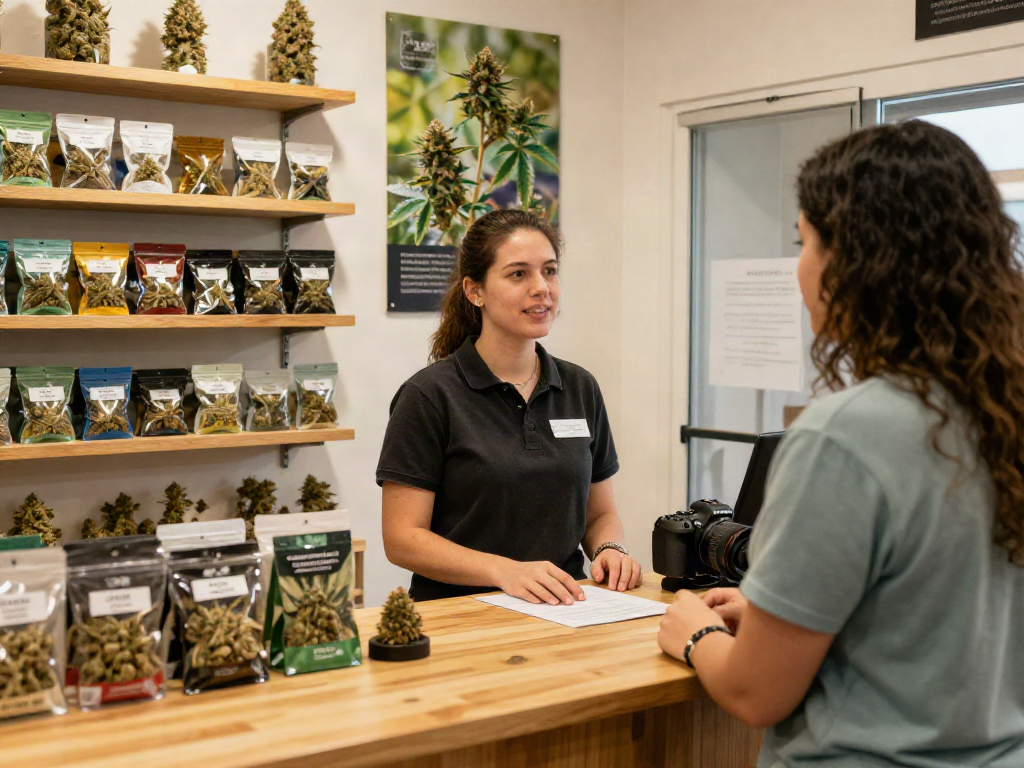
Understanding CBD: Benefits and Uses
As the wellness industry continues to evolve, the popularity of cannabidiol (CBD) has surged significantly, drawing the attention of health enthusiasts and individuals seeking natural remedies for a variety of conditions. CBD, a non-psychoactive compound derived from hemp, offers numerous wellness benefits, ranging from stress relief to improved sleep quality. Understanding its mechanisms and potential applications is essential for anyone looking to integrate CBD into their health regimen. When exploring options, MinistryOfCannabis provides comprehensive insights into high-quality cannabis seeds that can enhance your overall wellness journey.
What are Cannabinoids and Their Role?
Cannabinoids are a class of compounds found in cannabis plants, the most well-known being tetrahydrocannabinol (THC) and cannabidiol (CBD). They interact with the body’s endocannabinoid system (ECS), a complex network of receptors and neurotransmitters that regulate various physiological processes, including mood, pain sensation, and immune response. CBD is known for its therapeutic effects without the intoxicating side effects associated with THC. By engaging with the ECS, CBD can contribute to homeostasis, promoting balance and wellness in the body.
Health Benefits of CBD for Everyday Wellness
The potential health benefits of CBD have generated considerable interest among researchers and users alike. Some of the most notable benefits include:
- Anxiety and Stress Management: CBD has shown promise in reducing anxiety symptoms, making it a useful option for individuals dealing with stress-related disorders.
- Improving Sleep Quality: Users often report enhanced sleep quality and decreased insomnia symptoms, likely due to CBD's calming properties.
- Pain and Inflammation Reduction: CBD's anti-inflammatory effects can aid in pain management, offering relief for those with chronic pain conditions.
- Enhancing Focus and Mental Clarity: Some studies suggest that CBD may improve cognitive function and clarity in users.
- Post-Workout Recovery: Many athletes are turning to CBD for its potential to alleviate exercise-induced soreness and expedite recovery.
Types of CBD Products Available
The market is flooded with various CBD products, each offering unique benefits depending on their formulation and method of delivery. Understanding the differences between these products is crucial when selecting the right one for your needs.
Exploring Different CBD Formats: Oils, Edibles, and Topicals
CBD comes in multiple formats, including oils and tinctures, edibles, and topicals.
- Oils and Tinctures: Typically administered sublingually, CBD oils can provide fast-acting relief. The dosing can vary based on concentration and individual needs.
- Edibles: CBD-infused gummies or capsules offer a convenient way to consume CBD, although they may have a delayed onset time as they must pass through the digestive system.
- Topicals: Creams and balms infused with CBD can be applied directly to the skin, targeting localized pain or inflammation.
Choosing the Right Delivery Method for Your Needs
Selecting the appropriate CBD delivery method largely depends on personal preferences and specific wellness goals. For quick relief, sublingual oils may be the best choice, while those seeking longer-lasting effects might prefer edibles. Topicals can be an excellent option for localized issues, providing direct application to the affected area without psychoactive effects.
The Rise of CBD Vapes: Quick Relief on the Go
CBD vaping has gained popularity for its bioavailability and rapid onset of effects. Vape products, including cartridges and disposable e-liquids, allow users to inhale CBD, providing immediate relief. However, it is essential to choose high-quality vape products to ensure safety and effectiveness.
Determining the Right Dosage
Finding the right CBD dosage can be a nuanced process, as individual factors such as body weight, metabolism, and health conditions play significant roles in determining how much CBD is effective for each person. The general consensus in the CBD community is to adopt a “start low and go slow” approach to dosage.
How to Calculate CBD Dosage for Beginners
For beginners, a standard starting dose might be around 5-10mg of CBD, taken once daily. Based on individual response, users can gradually increase their dosage until the desired effects are achieved.
Titration: Finding Your Optimal CBD Dose
Titration involves adjusting the dosage gradually to find the most effective amount for your needs. Keeping a journal of your experiences can help track effects and adjust dosages accordingly.
Understanding CBD Bioavailability and Absorption
Bioavailability refers to the proportion of CBD that enters the circulation and can potentially have an effect. Different delivery methods have different bioavailability rates, with inhalation methods (like vaping) generally offering the highest absorption rates due to direct access to the bloodstream.
Quality Assurance and Safety Standards
As the market for CBD products expands, ensuring quality and safety has become paramount. Not all CBD products are created equal, and consumers should prioritize products that adhere to strict quality standards.
What to Look for in a Certificate of Analysis (COA)
A Certificate of Analysis is an essential document that indicates the cannabinoid profile, potency, and contaminant testing results of a product. Consumers should always request COAs from manufacturers to verify what they are purchasing.
Third-Party Testing: Ensuring Product Integrity
Third-party testing helps to independently verify the quality and potency of CBD products. Reputable brands will provide access to third-party lab results, ensuring transparency and trustworthiness.
Identifying Reputable CBD Brands
Look for brands that prioritize transparency, provide clear information on sourcing, and adhere to proper manufacturing protocols. Recognizing red flags, such as the absence of COAs or unrealistic claims, can help consumers avoid low-quality products.
Navigating Legal Considerations for CBD in 2026
The legal landscape for CBD continues to evolve. Understanding the regulations governing CBD products is essential for both consumers and manufacturers.
Understanding State vs. Federal Regulations
While the 2018 Farm Bill legalized hemp-derived CBD with less than 0.3% THC federally, some states have enacted stricter regulations. It is crucial to stay informed about local laws, which may vary significantly.
Complying with Safety Guidelines for CBD Products
Safety guidelines, including proper labeling and testing requirements, are essential to protect consumers. Compliance with these standards helps ensure the quality and integrity of CBD products on the market.
The Importance of Staying Informed on CBD Legislation
As regulations continue to shift, consumers and industry professionals must remain informed about changes to avoid potential legal issues and ensure safe consumption practices.