
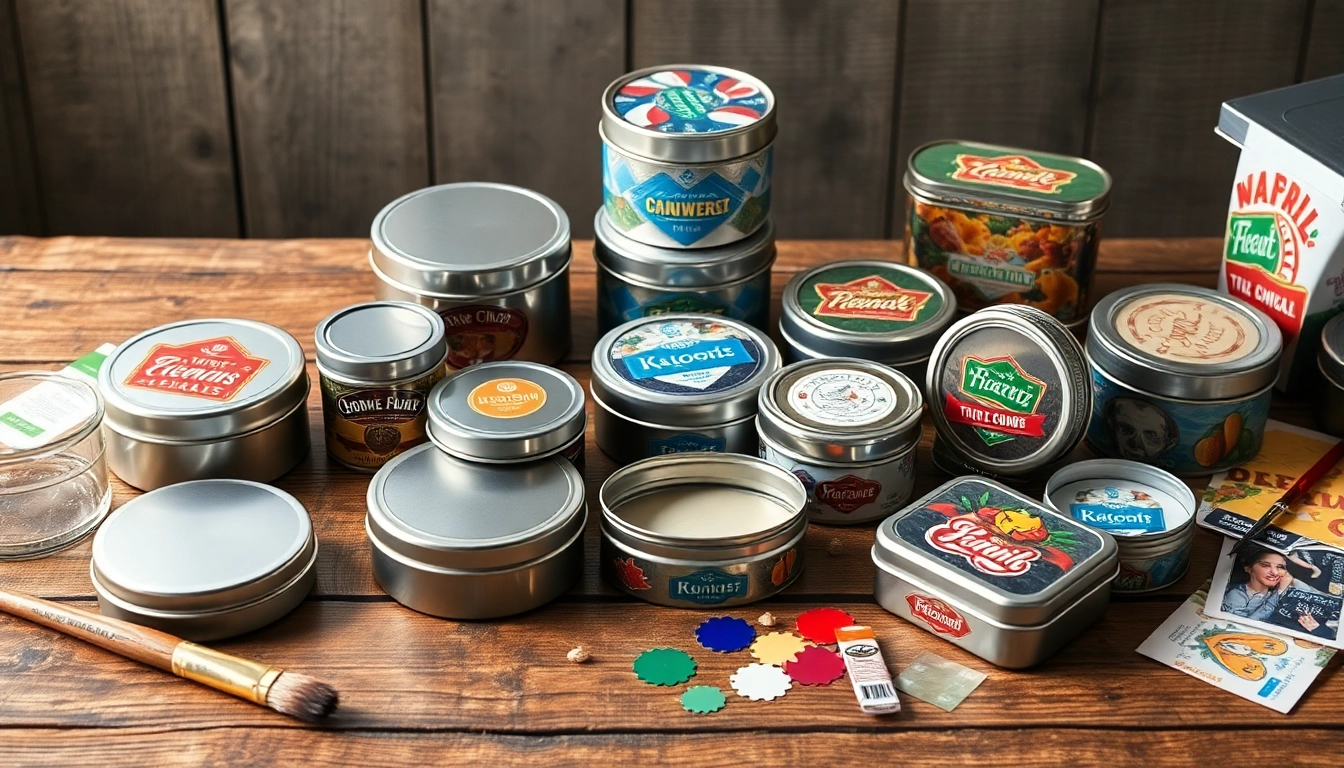
The Importance of Custom Tins in Branding
In today's competitive marketplace, brand recognition and customer loyalty are paramount for any successful business. One effective way to achieve this is through the use of custom tins. These bespoke containers are not only functional but also serve as a canvas for creative branding, enabling companies to make a lasting impression on their customers.
How Custom Tins Enhance Brand Recognition
Custom tins serve as a powerful marketing tool that enhances brand visibility. When designed thoughtfully, these tins can reflect a brand's identity and values, allowing consumers to connect emotionally with the product. Unique shapes, eye-catching colors, and distinctive graphics can transform a simple container into a memorable packaging solution that stands out on the retail shelf.
For instance, a high-end chocolate brand might use elegantly designed tins that evoke luxury, while an organic tea company could opt for eco-friendly materials and earthy designs to emphasize its commitment to sustainability. This strategic alignment of packaging and branding not only boosts recognition but also fosters positive associations in consumers' minds.
Benefits of Unique Packaging for Customer Engagement
Engaging customers goes beyond simply delivering a product; it’s about creating an experience that resonates. Custom tins facilitate this by providing an interactive element. For example, limited edition tins can create a sense of urgency or exclusivity, encouraging customers to make a purchase. Additionally, well-crafted tins can easily be repurposed, providing added value to the consumer and increasing brand loyalty.
Moreover, interactive packaging designs that involve changing the tin's appearance or functionality can be an effective way to captivate audiences. Brands that encourage customers to upcycle their tins for storage or crafts not only promote sustainability but also keep their brand in the consumer's mind long after the original product has been consumed.
Case Studies: Successful Brands Utilizing Custom Tins
Some companies have effectively harnessed the potential of custom tins to elevate their branding efforts. For example, a popular coffee brand released a series of collectible tins, each featuring artwork from local artists. This collaboration not only showcased the brand's commitment to community but also created a buzz around the limited releases, resulting in increased sales and brand engagement.
Another example can be seen in the confectionery industry, where brands have utilized custom tins for holiday promotions. By designing festive, themed tins, these brands tapped into seasonal buying behaviors, prompting consumers to seek out these special items as gifts, thereby increasing their market share during peak seasons.
Understanding the Custom Tin Manufacturing Process
Understanding how custom tins are made is crucial for anyone looking to leverage them for marketing purposes. The production process not only impacts the quality of the final product but also its sustainability and customization options. The journey from raw materials to finished product involves several key stages.
Overview of Materials Used in Custom Tins
The primary material used in custom tins is tinplate, which is a thin sheet of steel coated with tin. This combination ensures durability and corrosion resistance, making it suitable for various products, from food items to cosmetics. Additionally, some manufacturers are now using recycled materials, which aligns with the trend towards sustainable packaging.
Other materials may include biodegradable coatings that enhance the aesthetic appeal while ensuring that the product remains environmentally friendly. Choices in laminates, inks, and finishes also play a significant role in the overall quality and visual impact of the tins.
Step-by-Step Process of Creating Custom Tins
Creating a custom tin involves several steps:
- Design Conceptualization: This phase includes brainstorming and sketching ideas that align with brand identity.
- Prototyping: A sample tin is created to evaluate design elements, materials, and size before full production begins.
- Production: Once the prototype is approved, the manufacturing process starts, where the tin is shaped, printed, and finished.
- Quality Control: The final tins undergo rigorous quality checks to ensure they meet brand standards.
- Distribution: Completed tins are packaged and shipped to retailers or directly to consumers.
Quality Control: Ensuring High Standards in Tin Production
Quality control is a critical aspect of the tin manufacturing process. High standards must be upheld at every stage, from material selection to finishing processes. Manufacturers often use advanced technology for testing durability, print quality, and aesthetic appeal to ensure that the final product exceeds customer expectations.
Designing Your Custom Tins for Impact
The design of custom tins is vital for making a strong impression on consumers. A well-designed tin not only protects the product but also effectively communicates the brand message.
Essential Design Elements for Custom Tins
When designing your custom tins, consider the following elements:
- Shape: The unique shape can differentiate your product from competitors.
- Size: Ensure that the size is practical for the contents while still being visually appealing.
- Graphics: Eye-catching graphics that complement the product will help attract attention.
- Finish: Matte or glossy finishes can drastically change the perception of the product.
How to Select Colors and Graphics that Resonate
Colors evoke emotions and can significantly impact consumer behavior. Select a color palette that aligns with your brand's message. For example, vibrant colors may evoke energy and excitement, while muted tones suggest sophistication and calm. When choosing graphics, ensure they align with the product's theme and appeal to the target market.
Tips for Working with Designers and Suppliers
Collaboration with designers and suppliers can greatly enhance your custom tin project. Here are some tips:
- Clear Communication: Clearly articulate your vision and requirements from the beginning.
- Feedback Loop: Establish a system for providing and receiving feedback throughout the design process.
- Flexibility: Be open to suggestions and modifications that may improve the final product.
Market Trends and Innovations in Custom Tins for 2025
The landscape of packaging is ever-evolving, and staying ahead of trends is crucial for brands using custom tins. As we approach 2025, several trends are emerging in the custom packaging space.
Emerging Trends in Custom Packaging Design
Minimalism continues to dominate design trends, with brands opting for clean lines and simple graphics. This approach not only appeals to modern aesthetics but also allows for easier branding. Furthermore, interactive packaging that engages customers and incorporates technology, such as QR codes linking to product information or brand stories, is on the rise.
Eco-Friendly Materials and Sustainability in Tin Production
As consumers become more environmentally conscious, the demand for sustainable packaging solutions is increasing. Many brands are now prioritizing eco-friendly materials in their custom tins, such as recycled tinplate or biodegradable coatings. This not only enhances brand image but also resonates with consumers who value sustainability.
Future Predictions for Custom Tin Usage Across Industries
Looking ahead, we can expect an increased versatility in custom tins across various industries. Food and beverage brands will continue to leverage custom tins for limited-edition products, while cosmetic companies will utilize bespoke tins for exclusive lines. Additionally, innovations in printing technology will allow for more complex designs and customization options, further enhancing brand storytelling through packaging.
Best Practices for Sourcing and Using Custom Tins
Effectively sourcing and utilizing custom tins can be a game-changer for any business. Adhering to best practices ensures a smoother process and results in a quality product.
Finding Reliable Suppliers for Custom Tins
Start by researching suppliers with expertise in custom tin manufacturing. Look for reviews, case studies, and recommendations to find a reliable partner. Additionally, request samples to assess the quality of their products before committing to a larger order.
Cost Considerations and Budgeting for Your Custom Tin Project
Understanding the costs involved in creating custom tins is essential. Consider factors such as material type, tin size, design complexity, and quantity when budgeting. It's important to balance cost with quality to ensure you achieve the desired impact without compromising on the final product.
Measuring Success: KPIs for Custom Tin Campaigns
Establish clear key performance indicators (KPIs) to measure the effectiveness of your custom tin campaign. Metrics may include sales figures, customer engagement levels, and brand recall rates. Use this data to refine future campaigns and improve marketing strategies.