Understanding Injection Molding Machines
In the landscape of modern manufacturing, the Injection Molding Machine stands as a cornerstone in the production of plastic components. This technology facilitates the mass production of complex parts with precision, efficiency, and flexibility, addressing a myriad of industrial applications. As industries evolve and demand for high-quality plastic products increases, understanding the capabilities and advancements in injection molding machines becomes critical for manufacturers aiming to maintain a competitive edge.
What is an Injection Molding Machine?
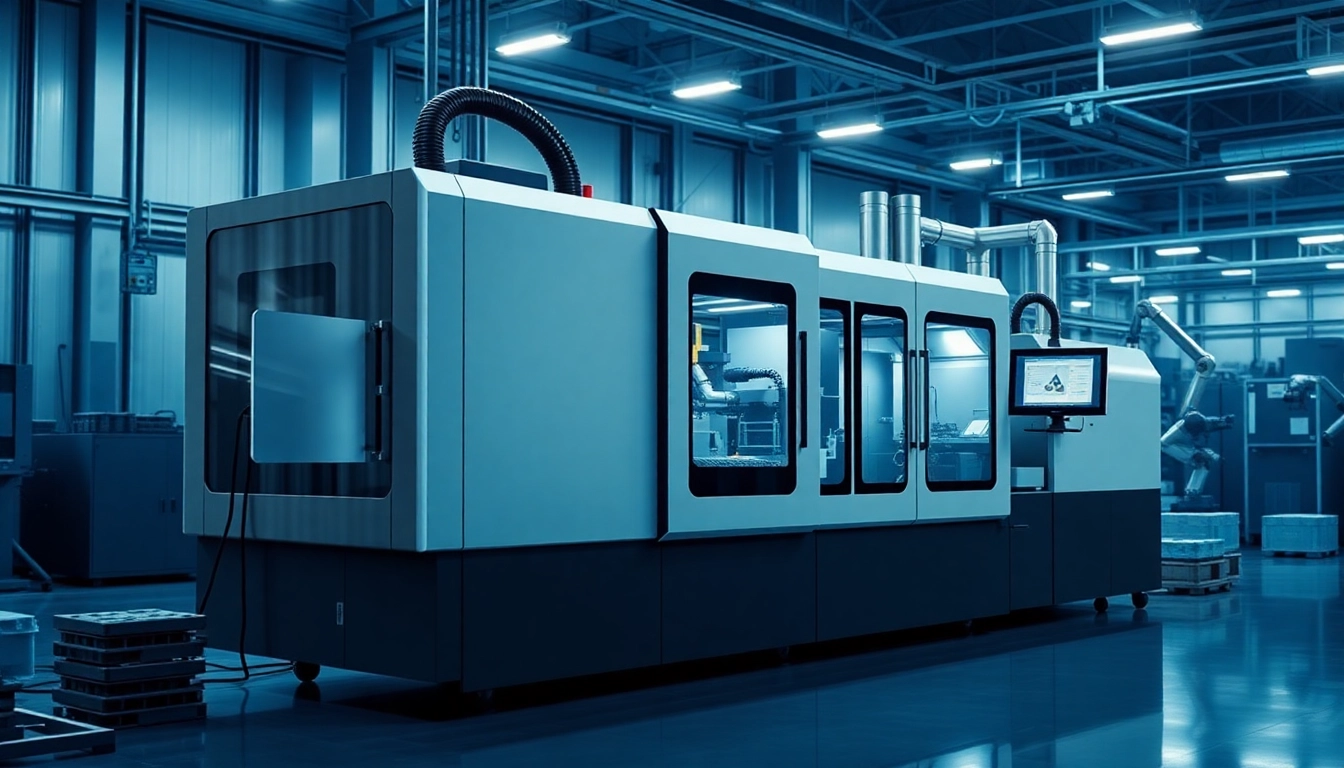
An injection molding machine is a specialized device used to create parts by injecting molten material into a mold. This process can be utilized for various materials, primarily thermoplastics and thermosetting plastics. The machine consists of several key components, including the injection unit, clamping unit, and control system, each playing a significant role in the injection molding process. The operation begins with heating the material until it reaches a molten state, followed by injecting it into a pre-designed mold cavity under high pressure where it cools and solidifies into the required shape.
Types of Injection Molding Machines
There are several types of injection molding machines, but they broadly fall into three categories: hydraulic, electric, and hybrid. Hydraulic machines use hydraulic oil to power the movements and are known for their high clamping forces, making them suitable for larger molds. Electric machines, like the Topstar TEII Series, use servo motors for precise control, offering energy efficiency and reduced cycle times. Hybrid machines combine the benefits of both hydraulic and electric systems, providing versatility and improved energy usage.
Principles of Operation and Design
The operation of an injection molding machine revolves around a cycle that typically includes four stages: filling, cooling, molding, and ejection. During the filling stage, the molten material is injected rapidly into the mold. In the cooling stage, the material is allowed to cool and solidify, which may take several seconds to minutes. The molding phase ensures that the part takes on the shape of the mold, while the ejection phase involves removing the solidified part from the mold, often with the assistance of ejector pins.
Key Features of Electric Injection Molding Machines
Electric injection molding machines have gained popularity due to their numerous advantages over traditional hydraulic machines, particularly in the realm of precision manufacture. Their design and operational methods contribute to increased efficiency and enhanced product quality.
Advantages of All-Electric Machines
All-electric injection molding machines, such as the Topstar TEII Series, offer remarkable advantages in terms of energy efficiency, speed, and accuracy. These machines significantly reduce energy consumption since they only use power when the machine is in operation, leading to lower operational costs. Additionally, the precise control afforded by electric systems allows for tighter tolerances in production, which is essential for applications requiring high precision.
Modular Design for Versatile Applications
The modular design of electric injection molding machines enables manufacturers to adapt their equipment to different production processes and requirements. For instance, the Topstar TEII Series features a modular injection unit that can be configured for various materials and part designs, making it suitable for a broad spectrum of applications, from small components to larger, more complex parts.
Humanized Interfaces Enhancing User Experience
A humanized interface in electric injection molding machines simplifies the operation, allowing operators to adjust settings easily and monitor the process in real time. Enhanced user interfaces often include touchscreens and intuitive programming, making it user-friendly, especially for new operators. These interfaces reduce the likelihood of operational errors and minimize downtime due to learning curves.
Comparative Analysis of Injection Molding Machine Series
When choosing an injection molding machine, understanding the capabilities of different series can directly impact production outcomes. The Topstar product line offers distinct advantages across its various series, catering to different manufacturing needs.
Topstar TEII Series vs TMII Series
The TEII Series, known for its all-electric capabilities, significantly reduces cycle times and energy consumption. In contrast, the TMII Series features servo-driven technology that enables intricate controls and automation to connect with additional production devices, enhancing the integration of the injection molding process. This makes the TMII Series well-suited for companies looking to automate their manufacturing processes further.
TH Series and its Direct Press Mechanism
Topstar’s TH Series Direct Press Type Injection Molding Machines provide a robust solution for larger products. Utilizing a two-plate direct pressure center clamping structure, these machines cater to the needs of industries producing deep-cavity and large-format parts. Their standardized clamping and injection platforms streamline the production of significant amounts of material while facilitating faster cycle times.
Performance Metrics of the TS Series
The TS Series Toggle Hydraulic Injection Molding Machines are designed for high yield and rapid response speeds. These machines provide excellent stability through advanced oil circuit designs and are capable of producing precise and consistent products. The incorporation of high-performance nitrided steel in their screws ensures durability and efficiency, reinforcing their standing as a reliable choice in injection molding technology.
Challenges and Solutions in Injection Molding
While injection molding technology is advanced, manufacturers still face challenges that can impact production quality and efficiency. Identifying potential issues early and implementing robust solutions is vital for maintaining operational effectiveness.
Common Problems in Machine Operations
Some common issues in injection molding operations include inconsistent part quality, cycle time delays, and mold wear. These problems can often stem from equipment malfunction, material inconsistencies, or improper machine settings. To mitigate these issues, regular maintenance schedules and training for operators can be beneficial.
Maintaining Product Quality and Consistency
Maintaining product quality requires strict monitoring of the injection molding process. Implementing statistical process control (SPC) can help detect variations in production that could lead to defects. Additionally, utilizing machines with real-time feedback systems, such as those found in the TMII Series, can enhance monitoring and quality assurance.
Future-Proofing Your Injection Molding Processes
As technology evolves, future-proofing your injection molding operations will be essential for long-term success. Investing in flexible machinery that can adapt to changing materials and production needs can provide a competitive edge. Moreover, focusing on energy-efficient solutions will not only reduce costs but will also meet growing sustainability demands from consumers and regulators alike.
Future Trends in Injection Molding Technology
The injection molding industry is experiencing rapid advancements, shaped by technological innovations, shifts in consumer preferences, and environmental considerations. Staying updated on these trends is crucial for manufacturers looking to stay ahead.
Emerging Technologies for Enhanced Efficiency
Emerging technologies such as IoT and AI are revolutionizing injection molding operations. Smart machines capable of self-diagnosing issues and optimizing their own operations are becoming commonplace. These technologies will allow manufacturers to streamline processes, reduce waste, and increase efficiency significantly.
Environmental Considerations and Sustainability
With an increasing focus on sustainability, manufacturers are under pressure to minimize environmental impacts. The use of biodegradable materials and energy-efficient machines is becoming more prevalent as the industry seeks to reduce its carbon footprint. Electric and hybrid machines, like those offered by Topstar, represent a critical step towards more sustainable manufacturing practices.
Predictions for 2025 and Beyond in Manufacturing
Looking ahead to 2025, manufacturers can expect a continued trend towards greater automation and sustainability in injection molding. As technologies evolve, the integration of AI and machine learning will enhance predictive maintenance and operational efficiency. Furthermore, the development of smart factories will incorporate real-time data analysis to optimize production effectively.