
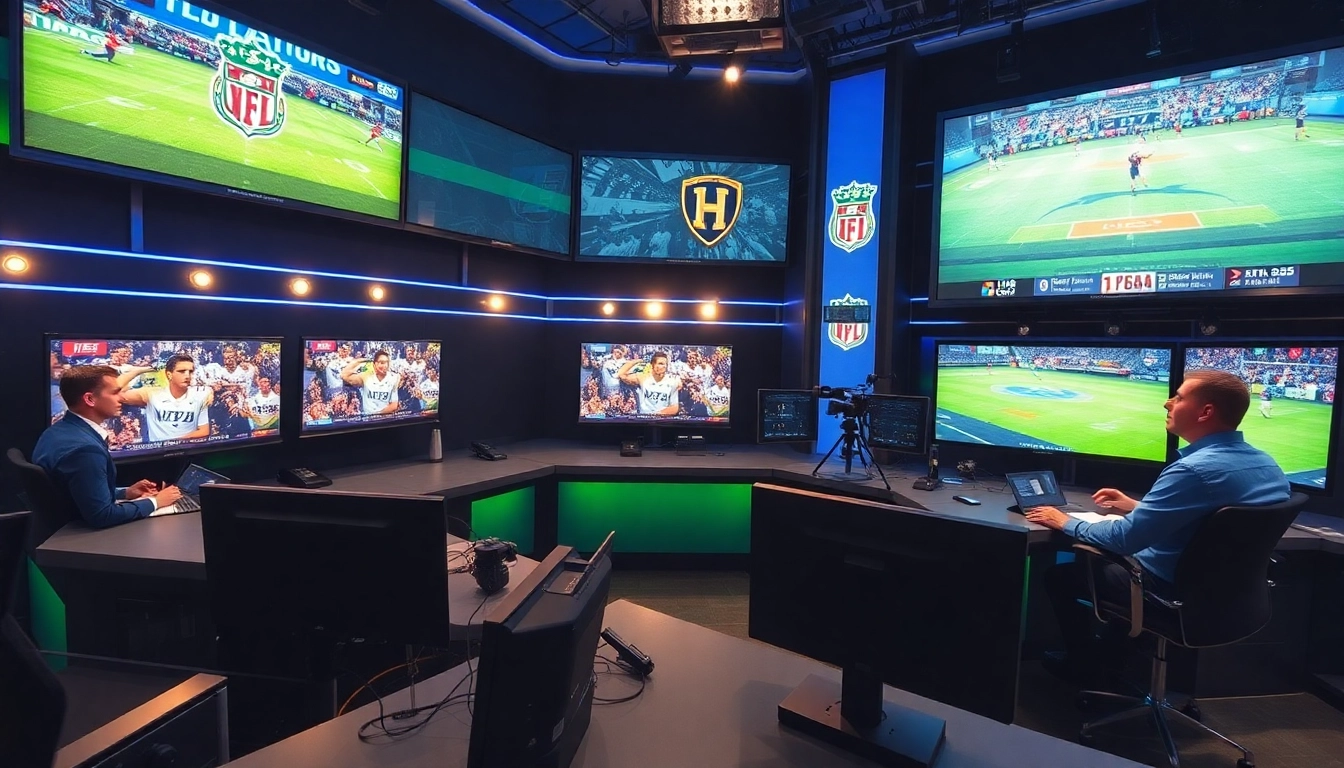
Understanding the Fundamentals of Sports Broadcasting
Defining Sports Broadcasting and Its Importance
Sports Broadcasting encompasses a variety of media formats that deliver live or recorded sports events to an audience. This essential aspect of sports plays a vital role in building fan communities, increasing the visibility of games, and fostering engagement among viewers. Notably, the rise of digital platforms has transformed traditional broadcasting, allowing fans to connect with sports through various mediums, from television to social media. The ability to reach audiences anywhere and anytime underscores the significance of this field, making Sports Broadcasting a crucial component in the modern sports ecosystem.
Types of Sports Broadcasting Formats
There are several formats of sports broadcasting, each catering to different audience needs and preferences. The most common formats include:
- Live Broadcasting: This format presents real-time coverage of sporting events, allowing fans to experience the action as it unfolds. Live broadcasts can occur on television, radio, or online platforms.
- Pre-Recorded Broadcasts: These are edited versions of sporting events that are aired at a later time. They may include highlight reels, interviews, and expert commentary.
- News Highlights: Short segments summarizing key moments of games and sports news, often included in sports news shows or online platforms.
- Streaming: Live streaming services have gained popularity, allowing fans to access games and events on-demand through the internet.
- Podcasts: An increasingly popular format, sports podcasts provide in-depth analysis, interviews, and discussions surrounding various sports topics.
Key Roles in Sports Broadcasting Teams
A successful sports broadcasting team consists of several key roles, each contributing to the overall quality and effectiveness of the coverage. Understanding these roles is crucial for aspiring professionals:
- Play-by-Play Announcer: This is the voice of the broadcast, providing real-time commentary on the action. They describe the play, player movements, and tactics.
- Color Commentator: A former athlete or sports expert, this individual adds context and analysis during the broadcast, enhancing the viewer's understanding of the game.
- Producers: They oversee the production process, managing logistics, coordinating between different teams, and ensuring that broadcasts run smoothly.
- Directors: The directors dictate camera angles and shots during the live coverage, often telling the story of the game visually.
- Technical Crew: This includes sound engineers, camera operators, and other behind-the-scenes personnel essential for delivering high-quality broadcasts.
Essential Equipment and Technology for Sports Broadcasting
Choosing the Right Cameras and Sound Equipment
The quality of a sports broadcast heavily relies on the equipment used. Selecting the right cameras is paramount; one must consider the following:
- Resolution: Cameras should support at least HD quality to ensure clarity. 4K cameras are increasingly popular due to their detailed visuals.
- Frame Rate: Higher frame rates (such as 60fps) are vital for capturing fast-paced action without blurring.
- Lenses: Different len sizes enable capturing wide angles, close-ups, or specific plays, adapting to the type of event broadcasted.
Sound plays an equally important role in sports broadcasting. A good-quality microphone picks up not only the announcer's voice but also crowd reactions, field sounds, and other relevant audio elements. Lapel mics for on-field interviews and shotgun mics for general ambiance are commonly used.
Utilizing Software for Live Event Streaming
In recent years, streaming software has become indispensable for live sports broadcasting, particularly as audiences shift to online platforms. Key software features to consider include:
- Multi-Camera Switching: This allows operators to switch seamlessly between different camera angles, enhancing viewer engagement.
- Graphics Integration: Overlaying graphics such as scores, player stats, and advertisements increases professionalism and viewer interest.
- Streaming Protocols: Choosing the right streaming protocol can influence latency and quality. RTMP and HLS are common choices that balance quality with streaming speed.
On-location vs. Studio Broadcasting Equipment
The choice between on-location and studio broadcasting equipment is another significant consideration:
- On-Location Equipment: This typically includes portable cameras, mobile broadcasting units, and wireless microphones, allowing for flexibility in diverse environments.
- Studio Equipment: Specialized gear like green screens, fixed cameras, and advanced audio setups cater to pre-recorded segments and analytical programming.
Each broadcasting type has its unique equipment requirements, and understanding these can lead to better audience engagement and communication.
Techniques for Engaging Viewers during Sports Broadcasting
Effective Commentary and Analysis Skills
Commentary during sports events is a crucial element that can significantly elevate viewer engagement. Effective commentators adhere to several skills:
- Clarity and Conciseness: Clear communication ensures that even casual fans can follow along with the action.
- Enthusiasm: Genuine passion for the sport comes across to viewers, making the broadcast more enjoyable.
- Expertise: Knowledge of teams, players, and strategies adds depth to commentary, making it more valuable to dedicated fans.
Utilizing Visuals and Graphics to Enhance Coverage
Visual elements play a critical role in engaging viewers. Utilizing graphics effectively involves:
- Stats and Scores: Displaying real-time statistics and scores can keep viewers informed about the game's progress.
- Animations: Fun animations or recreations of key plays can provide a memorable touch that resonates with viewers.
- Player Profiles: Interactive graphics showcasing player stats and background enhance viewer connection to individual athletes.
Creating Interactive Viewer Experiences
Modern sports broadcasting increasingly prioritizes viewer interaction. Some effective strategies include:
- Social Media Engagement: Encouraging viewers to share their thoughts during broadcasts can create a sense of community.
- Live Polls and Q&A: Integrating live polls regarding predictions or player performances allows viewers to participate in the broadcast.
- Enhanced Content: Developing apps or websites where viewers can customize their viewing experience, such as choosing camera angles or accessing bonus content, fosters deeper engagement.
Ethics and Responsibilities in Sports Broadcasting
Accuracy and Integrity in Reporting
Sports broadcasters have a duty to present information accurately and ethically. Misinformation can mislead viewers and damage the trustworthiness of broadcasts. Key best practices include:
- Fact-Checking: Always verify information before presenting it live to maintain credibility.
- Transparency: Disclose sources of information and potential conflicts of interest to uphold integrity.
- Accountability: Address inaccuracies openly and promptly, correcting mistakes to maintain audience trust.
Addressing Issues of Bias and Fairness
Broadcasters must strive for balance and fairness in their reporting. Techniques for achieving this include:
- Inclusive Coverage: Provide comprehensive coverage of different teams, players, and events, avoiding favoritism.
- Diverse Perspectives: Include a range of voices in commentary and analysis to ensure various viewpoints are represented.
- Responsible Analysis: Avoid sensationalism and focus on performance-based insights that guide discussions.
Understanding Copyright and Broadcasting Rights
Broadcasting rights are a critical aspect of sports broadcasting. Understanding these legalities can prevent costly errors:
- Licensing Agreements: Familiarize yourself with the terms of licensing agreements to understand what content can be broadcasted.
- Intellectual Property: Respect the intellectual property of others, including logos, music, and highlights from games.
- Staying Updated: The landscape of broadcasting rights is ever-changing; staying informed is vital to operating legally.
Measuring Success in Sports Broadcasting
Key Performance Indicators for Broadcasts
Analysing the success of sports broadcasts involves several critical performance indicators, including:
- Viewership Numbers: Tracking how many people watch a broadcast gives essential insights into its reach and popularity.
- Engagement Metrics: Observing social media interactions, comments, and participation during broadcasts highlights viewer engagement.
- Ad Revenue: The level of advertising revenue can indicate the financial success of a broadcast, reflecting its audience appeal.
Gathering Viewer Feedback and Improving Content
Listener feedback is invaluable for enhancing future broadcasts. Techniques for gathering and using feedback include:
- Surveys: Conduct post-broadcast surveys to collect comments and suggestions from viewers.
- Focus Groups: Host focus groups with targeted audiences to gain deeper insights into preferences and expectations.
- Social Media Monitoring: Keep an eye on discussions and critiques on platforms like Twitter and Facebook to gauge audience sentiment.
Future Trends in Sports Broadcasting Analysis
The sports broadcasting landscape is dynamic, with several key trends to watch for the future:
- Enhanced Virtual Reality (VR) Experiences: Innovations in VR technology are set to provide immersive viewing experiences, allowing fans to feel as if they are part of the event.
- Artificial Intelligence: AI-driven analytics will enhance commentary and statistical insights, providing deeper context in real-time.
- Personalized Content: The rise of AI will allow broadcasters to tailor content to individual viewer preferences, improving engagement.
Frequently Asked Questions
What is Sports Broadcasting?
Sports Broadcasting is the dissemination of live or recorded sports events via media, including television, radio, or online platforms, catering to fans and audiences.
What roles are essential in a Sports Broadcasting team?
Key roles include play-by-play announcers, color commentators, producers, directors, and technical crew members, each contributing to broadcast quality.
How do I improve my sports commentary skills?
Enhance your skills by practicing clarity, showcasing enthusiasm, and staying informed about relevant sports topics and analyses.
Why are ethics important in Sports Broadcasting?
Ethics ensure accuracy and integrity in reporting, helping to build audience trust and credibility in the broadcasting profession.
What metrics should I track to measure broadcast success?
Track viewership numbers, engagement metrics, and ad revenue to evaluate broadcast success and audience appeal effectively.