Understanding the Importance of Cultural Exchange
Cultural exchange serves as a bridge connecting diverse communities, allowing for the sharing and appreciation of unique traditions, languages, and experiences. In an increasingly globalized world, understanding different cultures becomes essential, not only for personal growth but also for fostering peace and cooperation among nations. https://hanadultalk.com is one such platform that facilitates this cultural dialogue, particularly focusing on Asian cultures presented in Spanish. By engaging with varied cultural outputs, we can cultivate empathy, reduce prejudice, and promote inclusivity across different social spheres.
What is Cultural Exchange?
Cultural exchange refers to the reciprocal sharing of ideas, traditions, and practices between individuals from different cultural backgrounds. This process can occur through various mediums, including art, education, travel, and digital platforms. The essence of cultural exchange lies in the dialogue it encourages, which enriches the participants' perspectives and fosters deeper connections.
The Role of Language in Cultural Understanding
Language serves as a pivotal medium for cultural exchange. It acts not only as a tool for communication but also as a vessel for cultural nuances and values. By learning a new language, individuals can delve deeper into the culture it represents, enhancing their understanding and appreciation of diverse lifestyles and traditions. Moreover, platforms like Hana Dul Talk provide content that bridges language gaps, allowing non-native speakers to explore Asian cultures through engaging and accessible Spanish-language materials.
Exploring Asian Cultures through Hispanic Lens
Asian cultures are rich and varied, encompassing a multitude of practices, beliefs, and histories. When viewed through the Hispanic lens, these cultures are subject to unique interpretations and adaptations. This cultural confluence can lead to a deeper understanding of both Asian and Hispanic traditions. Initiatives that celebrate this intersectionality not only promote multiculturalism but also create spaces for dialogue and mutual respect.
Common Misconceptions about Asian Culture
Despite the richness of Asian cultures, there are numerous stereotypes and misconceptions that persist in mainstream media and societal discourse. These often lead to generalizations that overlook the diversity within Asian communities.
Stereotypes in Media Representation
The portrayal of Asian cultures in media often relies on stereotypes that can misinform the audience. From the portrayal of Asian cuisine as overly simplistic to the depiction of Asian characters in films as mere sidekicks or comic relief, these representations do not reflect the true complexity of the cultures they represent. It's crucial to challenge these stereotypes by seeking out authentic narratives and promoting responsible representation in media.
Generalization vs. Individuality in Cultures
Generalization can strip cultures of their individuality, promoting a monolithic view of diverse groups. Each Asian culture carries distinct traditions, beliefs, and histories. Therefore, it is essential to approach cultural learning with an open mind, recognizing the unique aspects of each culture rather than forcing them into a generalized mold.
The Impact of Misrepresentation on Communities
Misrepresentation can have significant repercussions, fueling prejudice and misunderstandings. For Asian communities, the perpetuation of stereotypes can lead to social alienation and discrimination. Understanding the detrimental effects of cultural misrepresentation can help cultivate a more respectful and inclusive society, where multicultural exchange is celebrated rather than feared.
How to Engage with Asian Culture Effectively
Engaging with Asian culture thoughtfully requires intention and awareness. Here are several approaches to deepen your understanding and appreciation of these vibrant cultures.
Finding Authentic Sources of Information
Investing time in sourcing authentic information can vastly enhance your cultural understanding. Seek out literature, documentaries, and online platforms that present Asian cultures through genuine narratives. Reliable sources often include academic publications, cultural organizations, and content hubs like Hana Dul Talk, which carefully curate cultural content for their audiences.
Participating in Cultural Events and Festivals
Immersing yourself in cultural events and festivals is a thrilling way to experience the richness of Asian cultures. From food festivals to traditional performances, these events offer firsthand insights into cultural practices and customs. Participating in such activities not only enriches your knowledge but also fosters community bonds and collective celebration.
Leveraging Online Platforms like https://hanadultalk.com
In today’s digital age, online platforms have become vital resources for cultural exchange. Websites that focus on specific cultural themes provide an accessible way for learners and enthusiasts to explore diverse traditions. Utilizing platforms like Hana Dul Talk allows individuals to engage with high-quality content on Asian entertainment, cuisine, and lifestyle—all presented in Spanish, thus bridging language barriers and cultural gaps.
Tips for Enjoying Asian Cuisine
Asian cuisine is a reflection of its diverse cultures, offering a plethora of flavors and culinary techniques. To fully appreciate Asian food, consider these tips.
Understanding Ingredients and Their Significance
Each ingredient used in Asian cooking often carries cultural significance and is pivotal to the dish's flavor profile. Familiarizing yourself with common ingredients, such as miso, soy sauce, and various spices, can enhance your cooking experience and appreciation. Understanding where these ingredients come from and their cultural implications can further enrich your culinary journey.
Cooking Techniques to Master
Mastering essential cooking techniques is crucial in creating authentic Asian dishes. Techniques such as stir-frying, steaming, and fermentation have roots in cultural practices that influence the final dish's taste and presentation. Take the time to learn these techniques through cooking classes, online tutorials, or community workshops to gain a deeper appreciation for the cuisine.
Pairing Food with Cultural Practices
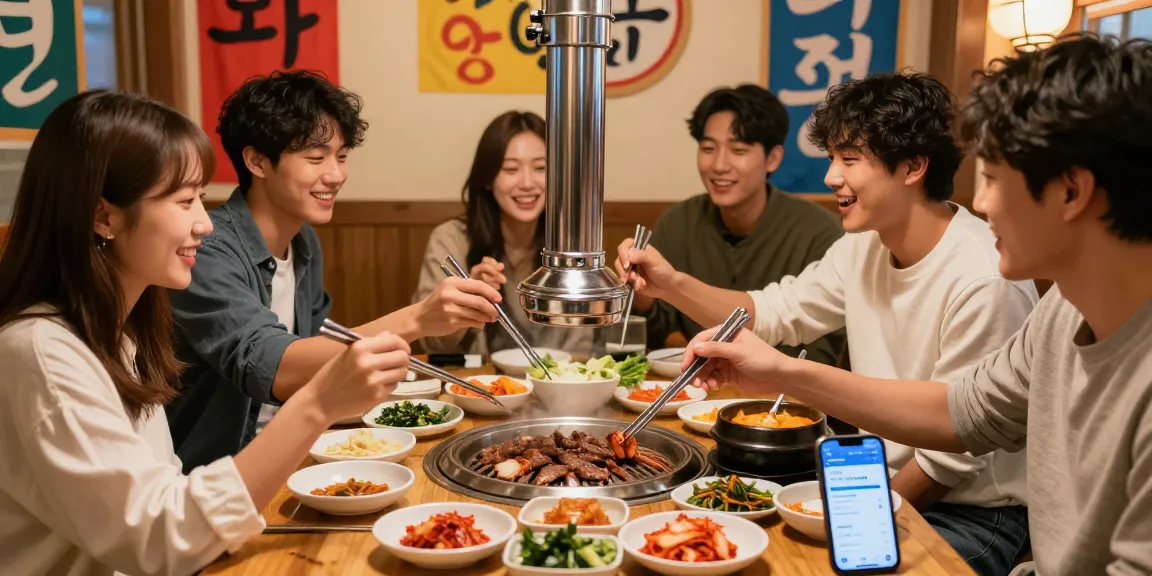
Culinary practices often intersect with cultural traditions. Understanding how to pair food with drinks or serve it in accordance with cultural customs can elevate your dining experience. For example, in many Asian cultures, sharing food is a key social practice, emphasizing community and connection during meals.
Future Trends in Cultural Exchange and Learning
The landscape of cultural exchange is evolving rapidly, shaped by technological advancements and global connectivity. The following trends are expected to influence cultural learning in the coming years.
Digital Platforms and Their Role in Learning
With the rise of digital platforms, cultural exchange is becoming more accessible than ever. Online classes, virtual tours, and digital storytelling are transforming how individuals engage with cultures globally. These platforms allow for real-time interactions and provide diverse perspectives that were previously difficult to access.
Emerging Cultural Exchange Programs in 2026
As global interest in cultural exchange grows, new programs are emerging to facilitate cross-cultural experiences. These programs often focus on immersive learning, offering participants opportunities to engage directly with different cultures through travel, homestays, and collaborative projects. By 2026, expect a surge in offerings that prioritize authentic experiences and meaningful engagement.
The Influence of Globalization on Local Cultures
Globalization is a double-edged sword; while it can promote cultural exchange, it also risks homogenizing unique cultural identities. Balancing globalization's benefits with the need to preserve local traditions will be crucial for future cultural discourse. Support for local artisans, traditional festivals, and cultural preservation initiatives will play a significant role in maintaining cultural integrity.
What are the benefits of cultural learning?
Cultural learning benefits individuals and communities by promoting empathy, tolerance, and social cohesion. Engaging with diverse cultures fosters an understanding that transcends geographical boundaries, enabling individuals to build meaningful relationships and navigate an increasingly interconnected world.
How to find events related to Asian culture?
Finding events that celebrate Asian culture can be done through local cultural centers, social media platforms, and community bulletin boards. Many cities also host cultural festivals, workshops, or classes that provide immersive experiences in Asian traditions.
What are some popular Asian dishes to explore?
Explore a range of popular Asian dishes, such as sushi, dim sum, pho, and pad Thai. Each dish offers a glimpse into the respective culture's culinary heritage and can be a gateway to deeper exploration.
How does language learning enhance cultural understanding?
Learning a new language allows individuals to engage with cultural nuances and deepen their understanding of traditions, literature, and history. Language acts as the key to unlocking the essence of a culture, fostering authentic connections with native speakers.
How can I support cultural communities?
Supporting cultural communities can be achieved through various means, such as attending local cultural events, purchasing products from local artisans, and engaging with educational content that promotes cultural awareness. Advocacy for inclusive representation in media and education can also amplify the voices of underrepresented communities.