
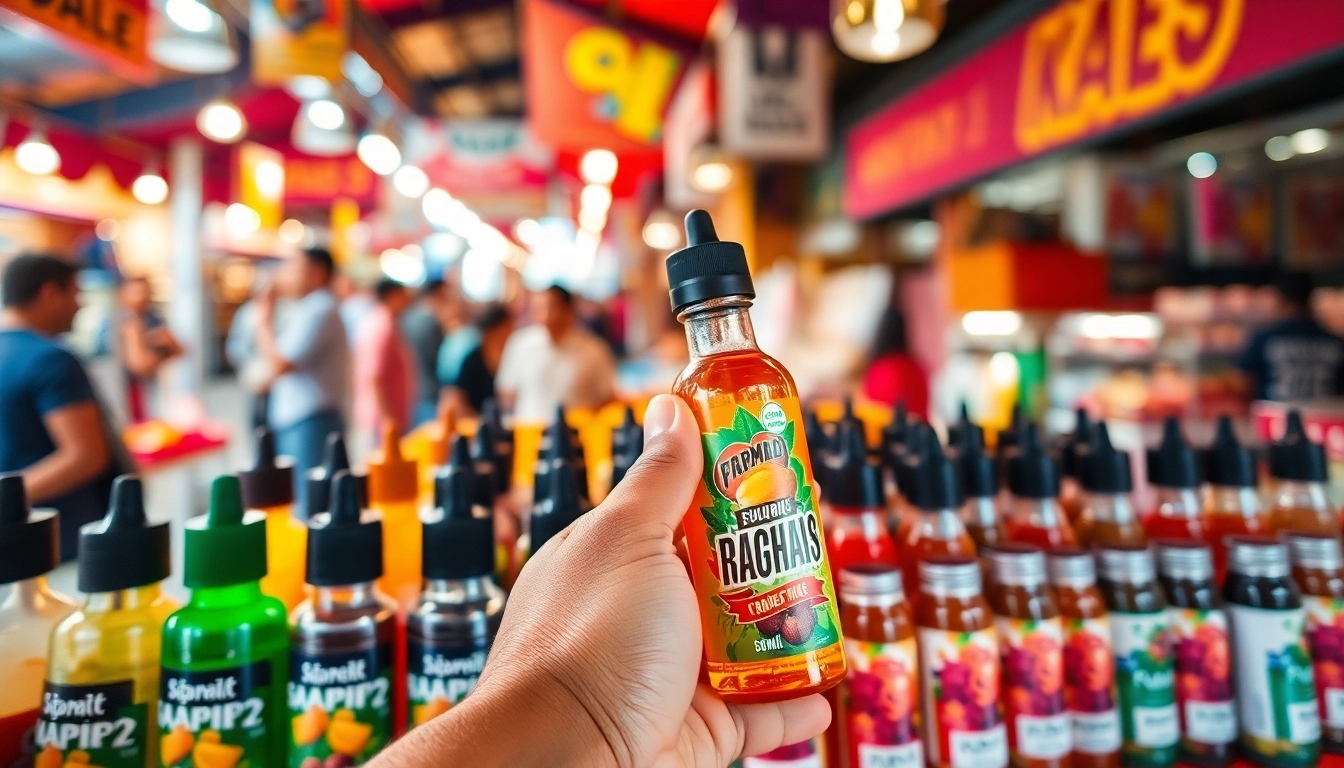
Understanding Vape & E-Liquids
What are Vape & E-Liquids?
Vape & E-Liquids refer to flavored liquids that are used in vaping devices, such as e-cigarettes and vape pens. These liquids vaporize when heated and are inhaled by users, providing a smoking experience without the harmful byproducts of traditional tobacco products. Comprised primarily of vegetable glycerin, propylene glycol, flavoring agents, and optional nicotine, these liquids come in various flavors, ranging from fruity and dessert-inspired to traditional tobacco. Interest in Vape & E-Liquids has surged as alternative smoking methods gain popularity, leading to a significant evolution in both formulation and usage. One notable advantage is the customizable nature of these liquids, allowing users to select nicotine strengths, flavors, and even the PG/VG ratios to suit their preferences. Understanding the intricacies of these products can enhance the vaping experience for both novice and experienced users alike. You can find diverse options and more detailed information at Vape & E-Liquids.
The Components of E-Liquids
E-Liquids are primarily composed of three essential components: propylene glycol (PG), vegetable glycerin (VG), and flavorings, which are often paired with nicotine to create the desired vaping experience.
- Propylene Glycol (PG): A colorless, odorless liquid that is commonly used as a food additive. It is known for its ability to produce a throat hit similar to traditional cigarettes, making it a popular choice among smokers transitioning to vaping.
- Vegetable Glycerin (VG): A thicker liquid that enhances vapor production due to its higher viscosity. VG is sweet and can contribute to the overall flavor of the e-liquid.
- Flavorings: These are food-grade additives that come in a myriad of options, offering everything from candy and fruit to complex dessert profiles. The choice of flavor influences both the enjoyment and satisfaction experienced by the user.
- Nicotine: Available in various strengths, nicotine is an optional addition that can provide a satisfying experience for those accustomed to traditional smoking. Users may choose to gradually reduce their nicotine intake by selecting lower concentrations.
How Vape & E-Liquids Work in Devices
The operation of Vape & E-Liquids in devices is a straightforward yet fascinating process. When the device is activated, either by inhalation or by pressing a button, a heating element, known as a coil, is powered. This coil generates heat, which vaporizes the e-liquid in the wick, converting the liquid into a vapor that is inhaled by the user. Key steps in this process include:
- Wicking: E-Liquids are absorbed by wicks made of materials like cotton, which draws the liquid toward the heating element.
- Heating: As the coil heats up, the temperature rises, turning the e-liquid into vapor.
- Inhalation: The resulting vapor travels through the device and is inhaled, allowing the user to enjoy the flavor and any nicotine content.
This simple yet effective design has revolutionized the way people approach smoking, providing an alternative that caters to diverse preferences and lifestyles.
Choosing the Right Vape & E-Liquids
Evaluating Flavor Profiles
With an abundance of flavor profiles available, selecting the right one can significantly impact the vaping experience. Flavor profiles can range from fruity, dessert, minty, and candy-like options to classic tobacco. Here are a few guidelines to aid selection:
- Start Simple: Beginners might want to start with straightforward flavors like menthol or tobacco, which are more familiar.
- Explore Combinations: As comfort with vaping grows, the exploration of flavor blends can be exciting. These often produce richer, more complex vaping experiences.
- Seasonal Choices: Some flavors feel seasonal (e.g., pumpkin spice in fall or fresh fruit in summer), so consider selecting flavors that align with the current season for added enjoyment.
- Read Reviews: Online communities often share opinions on flavor accuracy, mixing proficiency, and overall satisfaction. Engaging with these communities can lead to discovering popular or highly-rated options.
Nicotine Strength Considerations
Choosing the correct nicotine strength is another crucial aspect of selecting Vape & E-Liquids. Nicotine levels generally range from 0 mg/mL (no nicotine) to 36 mg/mL (high level). Here are some helpful considerations:
- Current Smoking Habits: Existing smokers often benefit from higher nicotine levels that are tailored to match their consumption habits.
- Gradual Reduction: For those looking to quit smoking, starting at a higher level and gradually reducing nicotine content over time can assist in the quitting process.
- Device Efficiency: Devices such as sub-ohm vapes produce larger vapor volumes, allowing for lower nicotine levels without sacrificing satisfaction.
Organic vs. Standard Ingredients
The rise of health consciousness has prompted the demand for organic and natural ingredients in e-liquids. Users are becoming increasingly concerned about what they are inhaling, prompting discussions around:
- Organic E-Liquids: These products are made with organic flavorings and often avoid synthetic substances. They promise fewer chemical additives and a cleaner vaping experience.
- Quality Control: Some brands may prioritize traditional manufacturing methods over organic ones. Always research brands' practices and ingredient transparency.
- Price Differences: Organic e-liquids can sometimes be more expensive due to the quality sourcing of ingredients; however, many users feel the health benefits justify the extra cost.
Popular Trends in Vape & E-Liquids
Emerging Flavor Trends
The market is witnessing a surge in innovative flavor combinations that appeal to a broader demographic. Some notable trends include:
- Candy and Dessert Flavors: Sweet flavors ranging from candy and pastries to ice creams are increasingly popular, catering to those with a sweet tooth.
- Beverage Flavors: Flavors inspired by popular drinks—such as coffee, soda, and cocktails—are drawing in users seeking a more indulgent experience.
- Global Inspiration: Flavors influenced by international cuisines (e.g., Asian or Mediterranean sweets) are becoming prevalent, reflecting a diverse palate.
Best Practices for Flavor Blending
For DIY enthusiasts, mastering the art of flavor blending can lead to personalized e-liquids. Best practices include:
- Understand Base Flavors: Familiarize yourself with base notes (which provide the foundation) and top notes (the dominant flavor), allowing for balanced blends.
- Use Small Batches: Experimenting with small volumes can save time and resources, ensuring that unsuccessful blends won't lead to wastage.
- Document Recipes: Keeping records of successful mixes can help recreate favorite flavors and hone the crafting process.
Market Trends: Disposable vs. Reusable Devices
Devices in the vaping market are evolving, with consumers gravitating towards either disposable or reusable devices based on personal preferences and lifestyle:
- Disposable Devices: Ideal for convenience seekers, these devices are pre-filled with e-liquid and can be used until the e-liquid or battery life runs out. Their simplicity appeals to new users exploring vaping.
- Reusable Devices: These allow for refilling with chosen e-liquids and provide a more customizable experience. Economically, they can be more advantageous in the long run.
Health and Safety in Vape & E-Liquids
Regulations and Quality Control Standards
The vaping industry is subject to various regulations and quality control standards aimed at ensuring consumer safety. Notably:
- Manufacturing Standards: Regulatory bodies may impose standards on the production of e-liquids, ensuring that harmful substances do not make it into consumer products.
- Labeling Requirements: Accurate labeling of ingredients, nicotine content, and safety warnings helps consumers make informed choices about their vaping products.
- Age Restrictions: Laws in numerous jurisdictions prevent the sale of vaping products to minors, recognizing the need to keep these alternatives away from youth.
Health Considerations for Vapers
Although vaping is often marketed as a safer alternative to smoking, various health considerations remain, including:
- Short-Term Effects: Initial transitions to vaping may lead to coughing or throat irritation as the body adjusts to the vapor.
- Long-Term Effects: Research is ongoing about the long-term effects of vaping, particularly regarding inhalation of flavoring agents and other additives.
- Addiction: Due to nicotine's addictive nature, some users may face challenges in moderating their use or quitting altogether.
Understanding Lab Testing and Certifications
To ensure safety and quality, many reputable manufacturers engage in third-party lab testing. Here’s why this is important:
- Ingredient Verification: Testing confirms the presence and concentration of ingredients, helping to validate claims made by manufacturers.
- Consistency in Quality: Routine testing can catch inconsistencies in flavor and potency, ensuring a reliable product.
- Consumer Trust: Certifications from recognized bodies signal quality, allowing consumers to choose products with greater confidence.
The Future of Vape & E-Liquids
Innovations in E-Liquid Formulations
The future of Vape & E-Liquids promises exciting innovations, including:
- Natural Flavoring: Increased focus on natural ingredients and flavorings that mimic classic tastes can redefine user experience.
- Advanced Formulations: New advancements could lead to flavor profiles that change or develop over time, enhancing the vaping experience.
- Nicotine Alternatives: Research is ongoing into alternative compounds that could replicate the sensation of nicotine without its risks.
Consumer Preferences and Behavior
Understanding consumer preferences is vital for manufacturers and retailers. Some behaviors to note include:
- Flavor Preferences: Trends continue to shift based on seasonal preferences and marketing campaigns, with certain flavors rising to popularity.
- Device Selection: Consumer choices indicate a keen interest in convenience and customization, steering design and production.
- Health Consciousness: With growing concerns over health, more users are gravitating towards organic and premium products.
Environmental Impact of Vaping Products
The ecological footprint of vaping products raises critical discussions about sustainability:
- Waste Management: As disposable products become more widespread, the environmental impact of e-liquids and devices is coming under scrutiny.
- Packaged vs. Bulk: Examining packaging options and bulk buying threads into discussions about reducing plastic consumption.
- End of Life Scenarios: Innovation in recycling or reusing products could dramatically lessen the environmental burden attributed to vaping.