
The Basics of CBD: What You Need to Know
Cannabidiol, more commonly known as CBD, is increasingly becoming a staple in the health and wellness industry. As a naturally occurring compound found in the hemp plant, CBD is celebrated for its extensive range of potential therapeutic properties. Unlike its more notorious counterpart, THC (tetrahydrocannabinol), CBD does not produce psychoactive effects that result in the “high” typically associated with marijuana use. Understanding this distinction is vital for those seeking to explore the benefits that CBD may offer. This article delves into the fundamental aspects of CBD, its therapeutic benefits, safety considerations, and the future of CBD in wellness.
1. Definition and Sources of CBD
Cannabidiol is one of over 100 cannabinoids present in the cannabis sativa plant. While THC is primarily found in marijuana, CBD is largely sourced from hemp plants, which contain lower amounts of THC, making them legal in many jurisdictions. The prevalence of CBD products in the market is particularly due to the 2018 Farm Bill, which legalized the production of hemp and hemp-derived products across the United States.
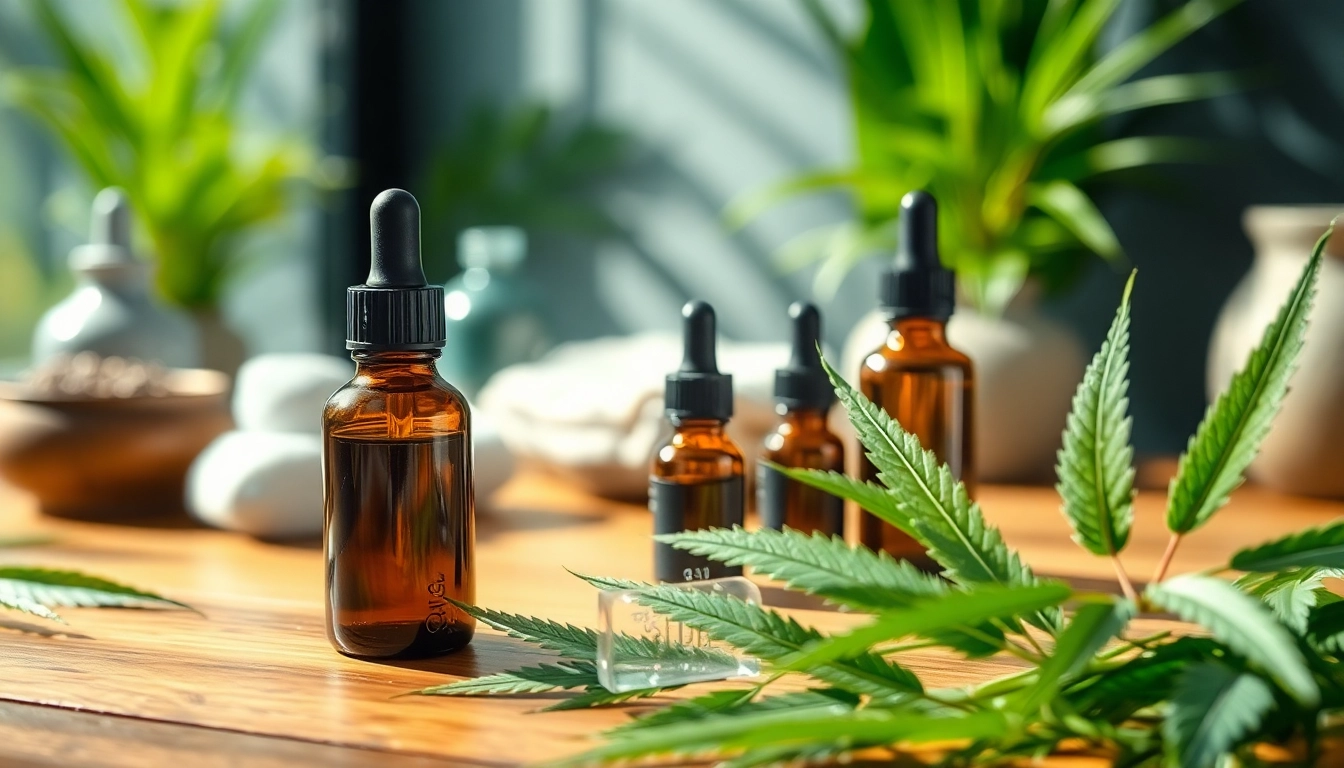
Users can find CBD in various forms, including oils, tinctures, capsules, edibles, and topical applications. This versatility allows individuals to select the method of administration that best suits their lifestyle and preferences.
2. How CBD Works in the Body
CBD interacts with the body’s endocannabinoid system (ECS), a complex network of receptors and neurotransmitters that play a crucial role in maintaining homeostasis. The ECS is responsible for regulating various physiological processes, including mood, immune response, pain perception, and sleep cycles. CBD binds to the CB1 and CB2 receptors in the ECS, promoting balance and potentially alleviating a range of symptoms, making it a subject of significant interest among researchers and healthcare professionals alike.
3. Common Misconceptions About CBD
Among the misinformation surrounding CBD, two notable misconceptions persist: first, that all cannabis products are the same due to their origin from the cannabis plant, and second, that CBD is addictive. Contrarily, CBD can be distanced from the psychoactive properties of THC, and numerous studies indicate that CBD does not cause dependence or withdrawal symptoms. Educating oneself on these topics is essential to making informed health decisions.
Exploring the Benefits of CBD
1. Therapeutic Uses of CBD: An Overview
Research and anecdotal evidence suggest that CBD could alleviate symptoms associated with a plethora of conditions, including anxiety, chronic pain, inflammatory disorders, and epilepsy. For instance, the FDA has approved Epidiolex, a CBD-based medication used to treat certain forms of epilepsy, thereby lending credibility to CBD's therapeutic potential.
2. Scientifically Backed Health Benefits
Numerous studies have indicated various health benefits of CBD. For instance, research has shown that CBD may help reduce anxiety levels, making it a popular alternative for those experiencing anxiety disorders. Other studies suggest it may have anti-inflammatory properties, thus providing relief for individuals with chronic pain conditions, such as arthritis. Additionally, CBD has been found to assist with sleep disorders by improving the overall quality of sleep, further emphasizing its potential value in health and wellness.
3. User Experiences and Testimonials
User testimonials frequently highlight positive experiences with CBD for conditions such as anxiety, insomnia, and chronic pain. Consumers have reported increased feelings of calmness and relaxation, improved sleep quality, and a reduction in pain levels through the integration of CBD into their daily routines. Testimonials serve to illustrate the potently subjective nature of CBD's effectiveness, pointing out the necessity for continued research and individual assessment.
CBD: Safety and Regulatory Considerations
1. Understanding Potential Side Effects of CBD
While generally well-tolerated, CBD is not completely devoid of side effects. Users may experience symptoms such as fatigue, diarrhea, changes in appetite, and sometimes drowsiness. It’s crucial to approach CBD use with caution, as individual responses can vary widely based on factors including dosage, method of consumption, and individual body chemistry. Consultation with a healthcare professional before beginning CBD can help mitigate potential risks.
2. Current Regulations Surrounding CBD Use
The regulatory landscape surrounding CBD is continually evolving. Although the 2018 Farm Bill legalized hemp-derived CBD nationwide, many states impose their regulations concerning production, sale, and use. It is imperative for consumers to be aware of these regulations and ensure they are sourcing products from compliant and reputable sources. Staying informed will help avoid potential legal implications and unsafe products.
3. How to Choose Quality CBD Products
Choosing quality CBD products involves careful consideration of several factors, such as source transparency, ingredient integrity, and third-party lab testing. Reputable manufacturers provide comprehensive lab reports demonstrating the purity and concentration of their products. Additionally, consumers should look for products made with organic, non-GMO hemp, ensuring the absence of harmful pesticides and chemicals. Understanding labeling can significantly enhance safety and effectiveness.
Incorporating CBD into Your Wellness Routine
1. Different Forms of CBD: Which is Right for You?
CBD is available in various forms, each with distinct benefits and methods of administration. Oils and tinctures offer quick absorption rates and dosage flexibility. Edibles provide a longer-lasting and more controlled effect but take longer to kick in. Topicals are ideal for localized pain relief without systemic effects. Exploring different forms can help individuals determine which method works best for their specific needs.
2. Optimal Dosages and Administration Methods
Determining the optimal dosage of CBD can be a personal and nuanced journey. Factors such as body weight, metabolic rate, and the condition being treated can all influence the ideal dosage. Many experts recommend starting at a low dose and gradually increasing it until the desired effects are achieved. Careful observation and adjustment are critical for optimal outcomes, particularly in the initial stages of use.
3. Combining CBD with Other Natural Remedies
CBD can be combined with other natural remedies to enhance overall wellness. It works well in synergy with other herbal treatments like chamomile or lavender for anxiety and insomnia. These combinations can yield improved results compared to using each remedy in isolation, offering personalized approaches to health and well-being.
Future Trends in CBD Use and Research
1. Innovations in CBD Product Development
The future of CBD is poised for innovation, with advances in products ranging from beverages to skincare lines. Researchers are exploring new extraction methods and formulations to enhance efficacy and accessibility. The industry is also witnessing the development of cannabinoid-rich products designed to target specific health concerns, which could open doors for more personalized wellness solutions.
2. Upcoming Studies on CBD and Health
Ongoing scientific research continues to investigate the effects of CBD on various health conditions, including mental health disorders, neurodegenerative diseases, and metabolic disorders. As clinical trials progress, they may provide valuable insights that further validate or challenge existing therapeutic claims surrounding CBD.
3. Predicting the Future of CBD in Wellness
The increasing acceptance and regulatory clarity surrounding CBD signal a promising future for its use in wellness practices. As consumers become more informed and demand quality products, the market will likely shift toward transparency, education, and innovation. Integrating CBD into mainstream wellness routines could reshape health paradigms, leading to broader acceptance and understanding of its properties.