
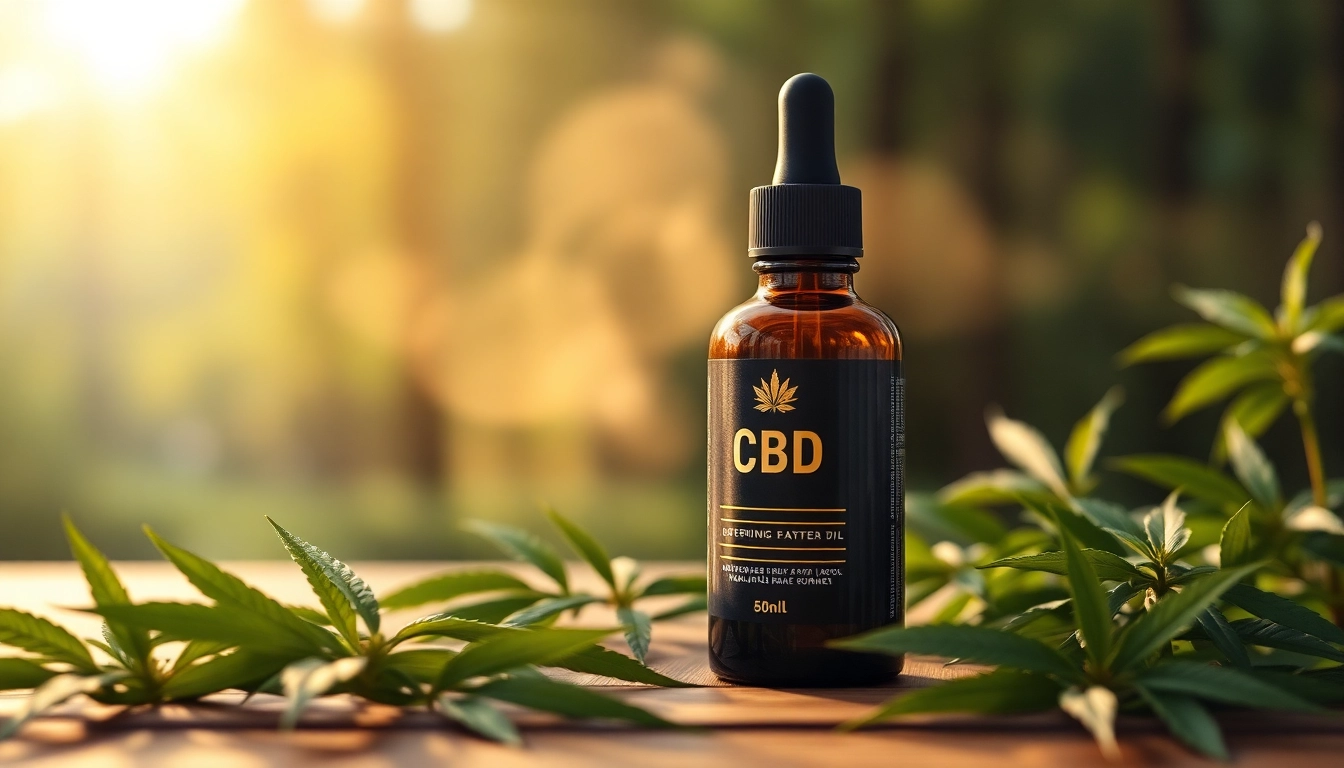
The Basics of CBD Oil
What is CBD Oil?
Cannabidiol, commonly known as CBD, is a naturally occurring compound found in the Cannabis sativa plant. Unlike its more famous counterpart, tetrahydrocannabinol (THC), CBD does not produce psychoactive effects, meaning it does not induce a “high.” Instead, CBD Oil has gained widespread attention as a potential therapeutic agent, credited with an array of health benefits that promote overall wellness. This versatile oil is made by extracting CBD from the hemp or marijuana plant and then diluting it with a carrier oil, such as coconut or hemp seed oil. Many people are now integrating CBD Oil into their daily wellness routines for its purported health benefits.
How is CBD Oil Made?
The production of CBD Oil involves several steps, starting with sourcing the raw hemp or marijuana plants. These plants must be tested to ensure they contain less than 0.3% THC to comply with federal regulations. The extraction process can vary, but common methods include:
- CO2 Extraction: This method uses carbon dioxide at a high pressure to pull CBD and other beneficial compounds from the plant. It’s considered one of the safest and most efficient methods.
- SOLVENT Extraction: In this method, solvents such as ethanol or butane are used to extract the CBD. However, this method can leave behind traces of the solvent, so proper purging is essential.
- OLIVE OIL Extraction: This is a simpler method where raw plant material is heated with olive oil, allowing the CBD to infuse into the oil. This method is less efficient and may not have a longer shelf life.
Once extracted, the CBD is adjusted to the desired concentration and mixed with a carrier oil to create the final product that consumers can use. Quality control at this stage is critical to ensure that the final CBD Oil is free from contaminants and accurately labeled in terms of CBD content.
Legality and Regulations Surrounding CBD Oil
The legality of CBD Oil can be somewhat confusing, as regulations vary significantly across different regions. In the United States, the 2018 Farm Bill legalized hemp-derived CBD products at the federal level, provided that they contain less than 0.3% THC. However, states may have their own regulations regarding the sale and use of CBD products. It is crucial for consumers to be aware of their local laws and regulations before purchasing or using CBD Oil. Furthermore, as a relatively new product in the market, the quality and sourcing of CBD Oil can vary, making it vital to purchase from reputable sources that provide third-party lab results.
Health Benefits of CBD Oil
Potential Therapeutic Effects of CBD Oil
Researchers have been exploring the wide-reaching therapeutic effects of CBD Oil. Some of the most promising potential benefits include:
- Anti-inflammatory Properties: CBD Oil is believed to reduce inflammation, making it beneficial for those suffering from various inflammatory conditions.
- Neuroprotective Effects: Early research suggests that CBD may offer neuroprotective properties, which could be beneficial in conditions like epilepsy and multiple sclerosis.
- Cardiovascular Health: Some studies have indicated that CBD Oil may contribute to improved heart health by lowering blood pressure and reducing oxidative stress.
While these benefits are still being investigated, many users report positive outcomes after incorporating CBD Oil into their health regimens.
Understanding CBD Oil and Mental Health
One of the most significant areas of research concerning CBD Oil is its impact on mental health. Anecdotal evidence suggests that CBD may help alleviate symptoms of anxiety and depression. Some studies indicate that CBD Oil can influence serotonin levels in the brain, which plays a critical role in mood and emotional regulation. This makes CBD Oil a potential option the treatment of conditions like generalized anxiety disorder, social anxiety disorder, and post-traumatic stress disorder (PTSD).
However, while there is promise, more extensive and rigorous studies are needed to fully understand its effects and potential as a treatment. Consultation with a healthcare professional is recommended for those considering using CBD Oil for mental health issues.
CBD Oil for Pain Relief and Inflammation
CBD Oil has become increasingly popular as a natural alternative for managing chronic pain and inflammation. By interacting with the endocannabinoid system, a complex network in the body responsible for regulating various functions, CBD may help to modulate pain sensation and inflammatory responses. Patients suffering from conditions such as arthritis, fibromyalgia, or chronic migraines have reported finding relief through the use of CBD Oil.
In clinical settings, some studies have highlighted the potential of CBD Oil in pain management, although individual responses may vary. It is advisable for individuals to start with a low dosage and adjust according to their needs while monitoring their body’s response.
How to Use CBD Oil Effectively
Different Methods for Consuming CBD Oil
Consumers can choose from various methods to incorporate CBD Oil into their daily routines, including:
- Sublingual Administration: Placing CBD Oil under the tongue allows for quick absorption into the bloodstream, providing fast relief.
- Capsules and Edibles: CBD capsules and edibles provide a straightforward way to consume CBD but take longer to take effect.
- Topicals: Creams and balms infused with CBD can be applied directly to the skin for localized relief from pain or inflammation.
- Vaping: Vaping CBD Oil provides rapid absorption, although it may not be the best option for everyone due to potential lung health concerns.
Ultimately, the chosen method will depend on personal preference and how quickly one seeks relief.
Determining the Right Dosage of CBD Oil
Finding the optimal dosage of CBD Oil is crucial for achieving desired effects while minimizing side effects. As CBD affects individuals differently, there is no one-size-fits-all approach. Factors influencing the ideal dosage include a person's weight, metabolism, and the specific condition being treated.
A general strategy for determining dosage is to start low, gradually increasing the dose while monitoring effects. Many healthcare providers recommend beginning with a dose of 5 to 10 mg of CBD and adjusting from there based on individual responses. Keeping a journal to track dosages and effects can provide valuable insight in finding the right balance.
Combining CBD Oil with Other Wellness Practices
Integrating CBD Oil into a holistic wellness routine can enhance its benefits. Combining CBD Oil with practices such as meditation, yoga, and a balanced diet may synergize its effects on physical and mental health. For instance, incorporating CBD into post-workout recovery rituals or using it as part of mindful breathing exercises could boost overall well-being.
Additionally, maintaining healthy lifestyle choices, such as regular exercise and adequate sleep, can complement the benefits associated with CBD Oil. The journey towards improved health is often most effective when approached from multiple angles.
Common Misconceptions about CBD Oil
Is CBD Oil Psychoactive?
A significant misconception about CBD Oil is that it is psychoactive. However, unlike THC, CBD does not produce intoxicating effects or alter perception. This makes CBD an appealing option for individuals seeking therapeutic benefits without the feeling of being “high.”
Debunking Myths About CBD Oil
Myths surrounding CBD Oil abound, often leading to confusion among potential users. Some common myths include:
- CBD Oil is only derived from marijuana plants. In reality, CBD can be extracted from both hemp and marijuana, but hemp is the more common source due to its lower THC content.
- Influence on drug tests. Although CBD Oil itself typically does not show up on drug tests, full-spectrum products may contain trace amounts of THC, potentially leading to a positive result.
- CBD Oil is a cure-all. While CBD has promising benefits, it is not a replacement for traditional medical treatments and should be used as a complementary approach.
The Difference Between CBD Oil and THC
Understanding the distinction between CBD Oil and THC is essential for consumers. While both compounds are cannabinoids from the cannabis plant, they serve different purposes. THC is known for its psychoactive properties and is often sought for recreational use, whereas CBD is largely appreciated for its therapeutic benefits. CBD Oil offers many potential health advantages without the accompanying high associated with THC, making it a preferable choice for individuals looking for relief without intoxication.
Future of CBD Oil in Health and Wellness
Current Research Trends in CBD Oil
The field of CBD research is rapidly evolving, with scientists investigating its potential applications in various health domains. Current research focuses on its efficacy in treating chronic pain, anxiety disorders, epilepsy, and neurodegenerative diseases, among others. As clinical trials continue to shed light on the complex interactions of CBD within the human body, a clearer picture of its holistic benefits will emerge, possibly paving the way for more widespread use in mainstream healthcare.
Industry Growth and Consumer Demand for CBD Oil
The CBD market has witnessed exponential growth in recent years, driven by rising consumer awareness and demand for natural health products. As more individuals turn to CBD Oil for potential health benefits, the industry will likely see increased innovations, regulatory adaptations, and quality improvements across products. In response to this growing market, it is essential for consumers to remain informed and diligent when selecting CBD Oil products to ensure they are getting the highest quality available.
How CBD Oil is Shaping Holistic Health Approaches
As the understanding of CBD Oil's health benefits continues to develop, it has become an integral component of many holistic health approaches. The rise of integrative medicine—blending conventional and complementary therapies—has led to a growing acceptance of CBD Oil as part of therapeutic regimens. Holistic practitioners often recommend CBD alongside other natural supplements, emphasizing a multi-faceted approach to health that addresses individual needs, preferences, and lifestyles.
Overall, CBD Oil represents a promising frontier in natural medicine, with the potential to enhance wellness through its diverse applications and benefits. As research progresses and the market expands, further insights into its properties and effective uses will be discovered, empowering individuals to make informed choices about their health and well-being.