
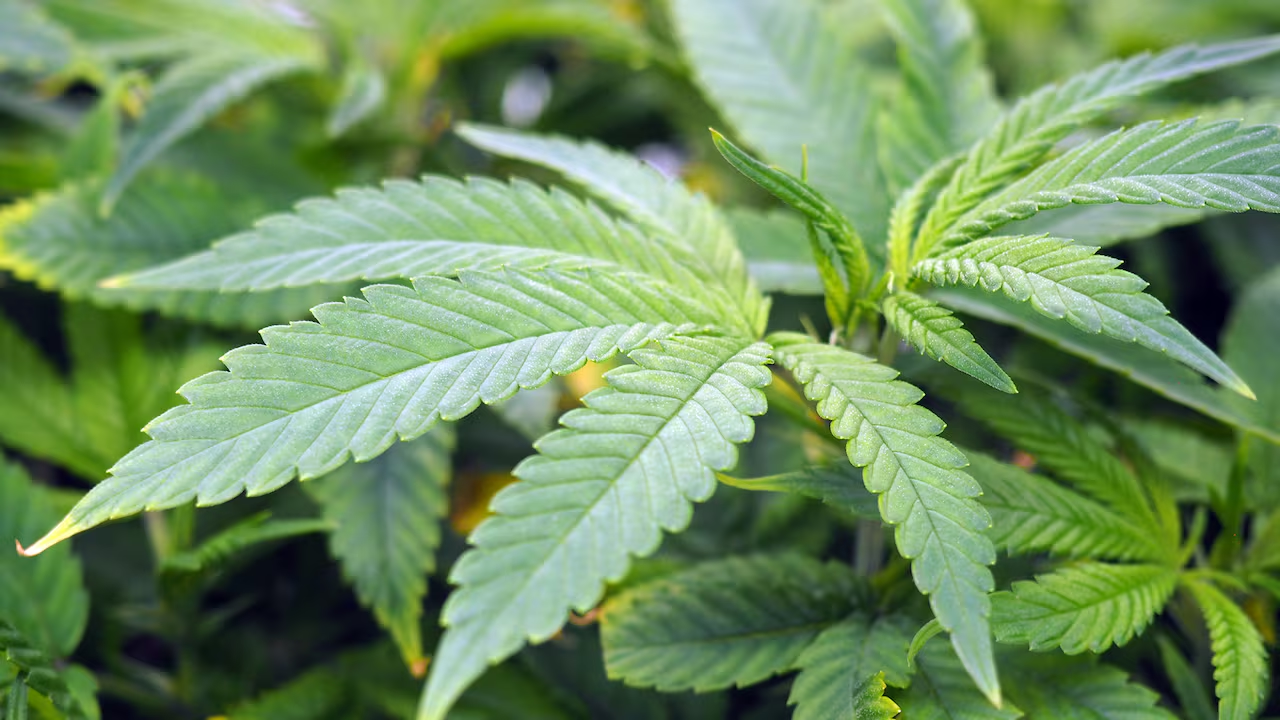
Understanding buy weed online europe laws has become increasingly important as governments around the world continue to reform cannabis legislation. Weed has shifted from being a prohibited substance in many regions to a regulated product for medical or recreational use in others. Whether you are interested in weed for medical purposes, recreational consumption where permitted, or simply want to understand the legal landscape, staying informed is essential. This guide explains how weed laws differ across countries, outlines major regulations, and discusses responsible cannabis use. As cannabis policies continue to evolve, knowing the legal status of weed helps individuals avoid legal complications while making informed decisions.
What Is Weed?
Weed is a common term used to describe cannabis, a plant that contains naturally occurring compounds called cannabinoids. The two most recognized cannabinoids are THC (tetrahydrocannabinol), which produces psychoactive effects, and CBD (cannabidiol), which does not cause intoxication.
Cannabis has been used for centuries for medicinal, industrial, and recreational purposes. Today, many governments regulate weed differently depending on its intended use and THC concentration.
Common Types of Cannabis
- Marijuana
- Hemp
- Medical cannabis
- Recreational cannabis
- CBD-rich cannabis products
Each category may fall under different legal frameworks depending on the country or region.
Understanding Global Weed Laws
The legal status of weed varies dramatically worldwide. Some countries have fully legalized cannabis, while others only permit medical use. Many nations continue to prohibit cannabis possession and distribution.
Countries with Recreational Legalization
Several countries and jurisdictions have legalized recreational weed under regulated markets. These laws typically establish:
- Minimum legal age
- Licensed retail stores
- Possession limits
- Home cultivation rules
- Product testing requirements
Consumers must still follow local regulations regarding purchase, transportation, and public consumption.
Countries Allowing Medical Cannabis
Medical cannabis programs allow qualified patients to access weed through licensed healthcare providers. These programs generally require:
- Physician approval
- Medical diagnosis
- Government registration
- Licensed dispensary purchases
Medical cannabis regulations differ significantly among countries.
Countries Where Weed Remains Illegal
Many jurisdictions continue to prohibit cannabis possession, cultivation, and distribution. Penalties may include:
- Monetary fines
- Criminal charges
- Imprisonment
- Asset confiscation
Travelers should always research local cannabis regulations before visiting another country.
Medical Uses of Weed
Medical research has expanded significantly in recent years. Healthcare professionals may recommend weed or cannabis-derived medications for certain qualifying medical conditions where permitted by law.
Potential medical applications include:
Chronic Pain Management
Some patients use medical cannabis to help manage long-term pain when traditional treatments have not provided sufficient relief.
Epilepsy
Certain CBD-based medications have received regulatory approval for specific forms of epilepsy.
Multiple Sclerosis
Cannabis-based medicines may help reduce muscle spasticity in some patients.
Chemotherapy Side Effects
Medical cannabis may help reduce nausea and improve appetite in cancer patients undergoing chemotherapy.
Medical cannabis should always be used under professional medical supervision.
Recreational Weed Regulations
Jurisdictions that allow recreational cannabis typically regulate every stage of production and sale.
Age Restrictions
Most legal markets require consumers to be at least 18 or 21 years old.
Possession Limits
Legal systems commonly specify how much weed an adult may legally possess.
Licensed Retailers
Cannabis products are generally sold only through licensed dispensaries or authorized retailers that comply with strict quality standards.
Public Consumption Rules
Even where cannabis is legal, smoking or consuming weed in public places may still be prohibited.
Weed Quality and Safety Regulations
Modern cannabis regulations often focus heavily on consumer safety.
Laboratory Testing
Licensed cannabis products may undergo testing for:
- THC levels
- CBD content
- Pesticides
- Heavy metals
- Mold
- Microbial contamination
Testing helps ensure products meet regulatory standards.
Packaging Requirements
Legal cannabis products often include:
- Child-resistant packaging
- Health warnings
- Ingredient lists
- THC percentages
- Batch numbers
- Expiration dates
These requirements improve consumer transparency.
Responsible Weed Use
Responsible cannabis use involves understanding both legal obligations and personal health considerations.
Best practices include:
- Following local laws
- Purchasing from licensed sources where legal
- Avoiding impaired driving
- Keeping products away from children
- Understanding dosage before consumption
- Consulting healthcare providers when appropriate
Education remains one of the most effective ways to reduce risks associated with cannabis use.
Traveling with Weed
Travel regulations are among the most misunderstood aspects of cannabis law.
Even when weed is legal in both the departure and destination locations, transporting cannabis across international borders may still violate national or international laws.
Travelers should always verify:
- Airport regulations
- Airline policies
- Customs requirements
- Import restrictions
- Prescription documentation for medical cannabis
Failure to comply can result in significant legal consequences.
Future Trends in Weed Legislation
Cannabis policy continues to evolve worldwide. Governments are increasingly reviewing scientific evidence, public health research, and economic impacts when considering legal reforms.
Emerging trends include:
- Expansion of medical cannabis programs
- Increased product safety standards
- Greater research into cannabinoids
- Improved consumer education
- Enhanced licensing systems
- Updated taxation policies
As research grows, future regulations may continue adapting to new scientific findings and public policy priorities.
Conclusion
Weed laws continue to change across the world, making it essential to stay informed about current regulations in your jurisdiction. While some countries have embraced legal medical or recreational cannabis, others maintain strict prohibitions. Understanding local cannabis laws, responsible consumption practices, and product safety standards helps individuals make informed decisions while remaining compliant with legal requirements. Whether discussing medical cannabis, recreational legalization, or future legislative developments, education remains the foundation for responsible and lawful cannabis awareness.
FAQs
1. Is weed legal everywhere?
No. Weed laws vary by country, state, and region. Some jurisdictions allow recreational or medical cannabis, while others prohibit it entirely.
2. What is the difference between medical and recreational weed?
Medical weed is prescribed or authorized for qualifying health conditions, while recreational weed is used by adults where permitted by law without requiring a medical diagnosis.
3. Can I travel internationally with weed?
In most cases, transporting cannabis across international borders is prohibited, even if both locations have legalized cannabis.
4. Why is laboratory testing important for weed?
Testing helps verify cannabinoid content and screens for contaminants such as pesticides, mold, and heavy metals, improving consumer safety.
5. How can I stay updated on cannabis laws?
Check official government websites and local regulatory authorities, as cannabis legislation continues to evolve in many regions.