
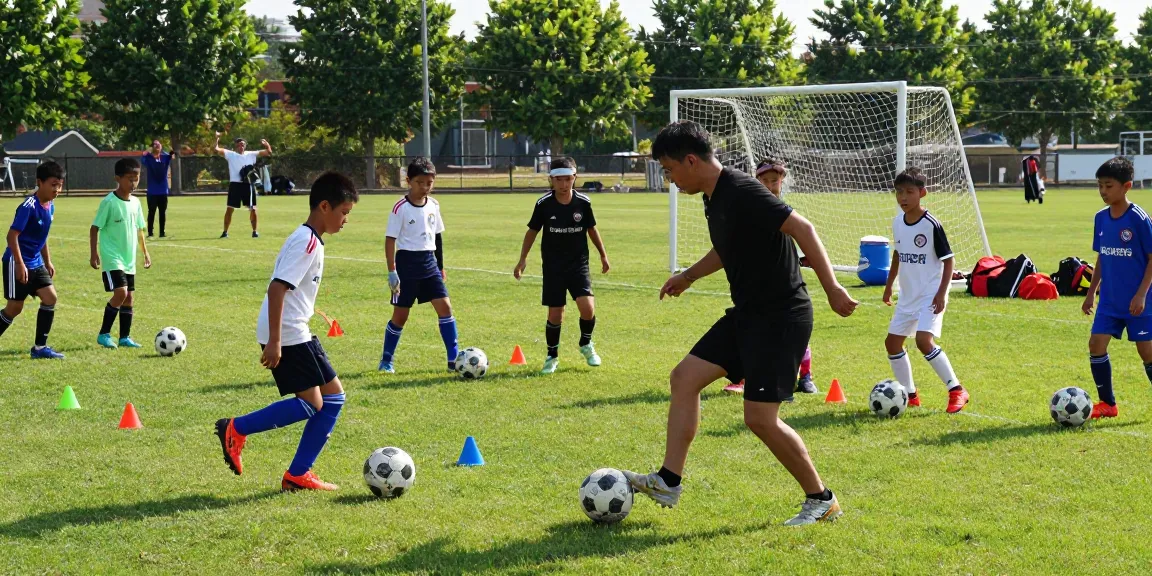
Understanding Youth Soccer Development
Youth soccer development is an essential aspect of nurturing the next generation of soccer talent. As children begin to engage with the sport, it’s crucial to establish a strong foundation of skills and understanding. This development process not only enhances players’ abilities but also cultivates a love for the game that can last a lifetime. When exploring options, this page emphasizes the importance of structured training and support for young athletes.
Importance of Skill Development at a Young Age
Developing soccer skills at a young age lays the groundwork for excellent performance in later stages. Early exposure to the nuances of soccer—like dribbling, passing, and tactical awareness—can lead to significant improvements in a player’s overall abilities. Studies have shown that children who start training in their formative years tend to excel in competitive play. Moreover, focusing on skill development helps to build confidence, encourages teamwork, and fosters resilience in young athletes.
Key Techniques for Youth Soccer Players
Several key techniques are foundational for youth soccer players. These include:
- Dribbling: Mastering ball control is crucial. Players should practice various dribbling techniques to navigate through opponents effectively.
- Passing: Accurate passing is vital for team play. Youth players should learn different passing styles, including short passes, long passes, and through balls.
- Shooting: Developing shooting skills allows players to capitalize on scoring opportunities. Practice with both feet is essential for versatility.
- Defensive Skills: Understanding positioning and tackles can improve a player’s defensive game, making them well-rounded athletes.
Common Misconceptions in Youth Training
Several misconceptions surround youth soccer training that can hinder a child’s development. One common myth is that winning is the ultimate goal; however, the primary focus should be on skill enhancement and enjoyment. Additionally, some believe that children should specialize in one sport too early, but research indicates that broadening sports participation can lead to better athletic development.
Effective Training Programs for Young Players
Creating effective training programs tailored to young players is vital in fostering their growth and love for the game. A comprehensive training regimen, which balances skill development, physical fitness, and mental toughness, can lead to substantial improvements in players’ abilities.
Curriculum Design for Age Groups
Curriculum design must be age-appropriate, taking into account the physical and cognitive development of players. Younger children often benefit from play-based learning, where games are incorporated into drills to enhance engagement. For older age groups, a more structured approach that includes tactical drills and conditioning exercises can be beneficial to improve their understanding of the game.
Incorporating Fun into Training Sessions
Keeping training enjoyable is essential to maintaining young players’ enthusiasm. Integrating fun games and competitions can create a positive training atmosphere. Coaches can incorporate activities such as skill challenges or small-sided games to keep players motivated and eager to learn. The joy of playing should never be lost, even amidst rigorous training.
Measuring Skill Improvement: Metrics & Techniques
To gauge players’ progress, it’s essential to establish metrics for skill improvement. Coaches should keep track of individual performances using qualitative assessments, like game footage analysis, and quantitative statistics, such as goals scored or assists made. Regular feedback sessions can help players understand their strengths and areas for growth, ensuring a targeted approach to skill enhancement.
Coaching Strategies for Youth Teams
Effective coaching strategies are vital for developing not just skilled players but well-rounded individuals. Coaches play a crucial role in building a team culture that fosters respect, teamwork, and a passion for the game.
Building a Positive Team Culture
Establishing a positive team culture involves promoting camaraderie and mutual respect among players. Coaches should emphasize the importance of teamwork, where every member understands their role and value within the squad. Initiatives like team-building activities, social events, and open communication can strengthen relationships and foster a supportive environment.
Engaging Parents in the Training Process
Involving parents in the training process is essential for the overall development of young players. Parents can provide support by attending practices, helping with logistics, and reinforcing what their children learn during training. Communication between coaches and parents can cultivate a cooperative atmosphere that enhances the players’ experience and encourages growth.
Adapting Coaching Styles to Different Personalities
Recognizing that each player has a distinct personality is key to effective coaching. Some athletes may respond better to encouragement, while others thrive on constructive criticism. Coaches should strive to understand individual motivations and adapt their coaching styles accordingly, ensuring that each player feels valued and understood.
Future Trends in Youth Soccer Training (2026 and Beyond)
As youth soccer continues to evolve, it’s crucial to stay abreast of emerging trends that can influence training practices. The future of youth soccer training is set to be shaped significantly by advancements in technology and a deeper understanding of athlete welfare.
Use of Technology in Skill Development
With technological advancements, tools like performance tracking apps, video analysis software, and virtual reality training sessions are becoming commonplace. These tools offer real-time feedback and can enhance skill development by providing players and coaches with valuable insights into performance metrics and areas for improvement.
Innovative Training Techniques on the Rise
As knowledge of child development grows, so do innovative training techniques. Introducing concepts such as gamification—where training sessions mimic game scenarios—can make learning both challenging and enjoyable. Incorporating mobility training and injury prevention exercises will also be increasingly crucial as young athletes face the demands of modern soccer.
Focus on Mental and Emotional Growth in Athletes
The importance of mental health and emotional intelligence in young athletes is garnering attention. Future training programs are likely to include mental conditioning strategies to help players cope with pressure and develop resilience on and off the field. This comprehensive approach aims to produce not only skilled players but also confident individuals ready to face life’s challenges.
Case Studies: Successful Youth Soccer Programs
Examining effective youth soccer programs can provide valuable insights into the practices that yield excellent results. Several clubs and organizations have successfully implemented training regimens that have led to the development of top-tier players.
Highlighting Exemplary Training Regimens
For instance, the FC Barcelona youth academy, La Masia, has gained international acclaim for its comprehensive training approach. Emphasizing technical skills, tactical understanding, and a strong team culture, the academy has produced numerous professional players who excel in top leagues worldwide.
Real-World Applications of Coaching Strategies
Another example is the Ajax youth academy, known for its focus on developing game intelligence alongside technical skills. Their coaching strategies emphasize adaptability and creativity, encouraging players to make decisions during matches that optimize their team’s chances of success.
Lessons Learned from Successful Youth Teams
From these successful programs, several lessons emerge for youth soccer coaches and organizations: the importance of a holistic development approach, the need to foster a love for the game, and the value of engaging not only players but also parents and communities in the training process.
What are the best drills for youth soccer players?
The best drills for youth soccer players focus on fundamental skills such as dribbling, passing, and shooting. Incorporating small-sided games can also enhance tactical awareness and teamwork.
How can parents support their child’s soccer journey?
Parents can support their child’s soccer journey by attending games and practices, providing encouragement, and engaging in discussions about their child’s experiences and challenges in the sport.
What role does teamwork play in youth soccer?
Teamwork in youth soccer fosters communication, collaboration, and a sense of belonging among players, which is essential for both individual and team success.
How to foster a love for the game in young athletes?
To foster a love for the game, coaches and parents should emphasize enjoyment, balance skill development with playful elements, and create opportunities for young athletes to engage with soccer beyond just competitions.
What technological tools can aid in youth soccer training?
Technological tools such as video analysis apps, performance tracking systems, and interactive training tools can enhance skill development and provide valuable feedback to players and coaches alike.