Understanding PowerLink: The Backbone of Heavy Industry
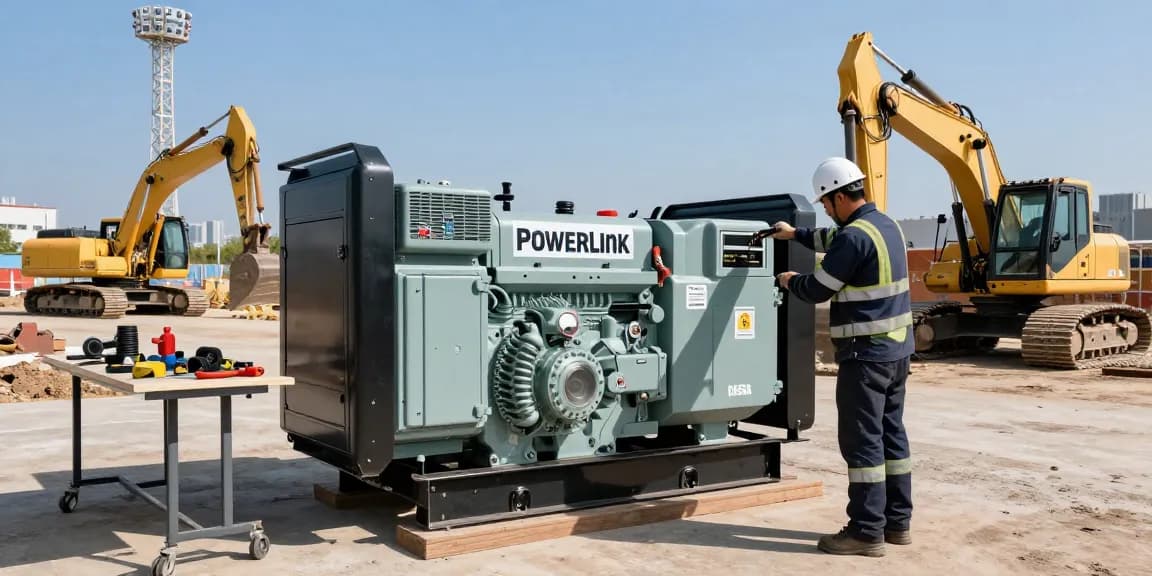
In a world increasingly reliant on efficient energy solutions, PowerLink stands out as a premier provider of portable energy systems and power solutions. With an impressive range that includes generators capable of producing between 100 to 500 kVA, PowerLink offers the technology that heavy industries need to thrive in a competitive landscape. By harnessing modern engineering and innovation, these systems provide not just power, but reliability and operational efficiency, which are critical in demanding industrial environments.
What is PowerLink and Its Importance?
PowerLink is synonymous with high-quality energy solutions designed to meet the rigorous demands of heavy industries. These power systems are designed to cater to various operational needs, from prime power applications to backup systems. The importance of PowerLink lies in its ability to provide customizable, scalable, and efficient energy options, which help businesses minimize downtime and optimize operations. Understanding the nuances of these systems allows companies to leverage energy solutions that directly contribute to their productivity and profitability.
PowerLink Generator Series Overview
The PowerLink generator series is categorized into several ranges to serve diverse industrial applications. These include:
- PES Series: Offers a range of portable energy systems with outputs of 100 kVA to 500 kVA, featuring battery storage capabilities from 115 kWh to 711 kWh, ideal for both short- and long-term power needs.
- EB Series: Features economical generators that are designed for effective fuel efficiency while providing outputs from 10 kVA to 1000 kVA.
- QSV-MK Series: Designed for high-demand situations, these units can produce between 18 kVA and 3000 kVA using Baudouin powered generators, affirming PowerLink’s commitment to high performance and reliability.
- VR Series: This series utilizes Kubota engines, delivering cost-effective solutions with outputs ranging from 7 kVA to 45 kVA suitable for smaller applications.
Key Applications in Heavy Industry
PowerLink systems are utilized in myriad industrial applications, including:
- Construction Sites: Providing reliable power for tools and machinery.
- Mining Operations: Ensuring consistent energy supply in remote locations.
- Events and Entertainment: Offering flexible power solutions for temporary setups.
- Telecommunications: Backing up critical infrastructure to ensure uptime.
- Agricultural Operations: Powering equipment and irrigation systems across vast areas.
Choosing the Right PowerLink Generator for Your Needs
Evaluating Power Requirements and Specifications
Selecting the right PowerLink generator begins with accurately assessing your power requirements. Considerations include the total load needed, voltage requirements, and any peak demand surges that may occur during operation. Engaging in a detailed load calculation can help ensure that the generator you choose will meet your operational demands without causing energy waste or system stress.
Comparing Diesel and Gas-Powered Options
When evaluating PowerLink generators, deciding between diesel and gas-powered units is crucial. Diesel generators are traditionally favored for their reliability and longevity in heavy-duty applications, while gas-powered options may offer cleaner emissions and lower operating costs. Understanding your specific application and environmental impact goals will guide you in selecting the most suitable option.
Understanding Battery Storage Systems
Incorporating battery storage into your PowerLink system can significantly enhance operational flexibility and energy efficiency. This technology allows for energy from renewable sources, generated during peak times, to be stored and used during high-demand periods. As industries move toward sustainability, hybrid systems featuring battery storage will become increasingly prevalent.
Installation and Maintenance of PowerLink Systems
Proper Installation Techniques and Best Practices
To ensure optimal performance and longevity of PowerLink systems, proper installation is critical. This includes adhering to manufacturer guidelines, ensuring safe connections, and placing generators in locations that permit adequate ventilation and noise reduction. Working with certified professionals during installation can mitigate risks and enhance system reliability.
Routine Maintenance for Optimal Performance
Regular maintenance is essential for keeping your PowerLink generators in peak condition. This includes routine checks on oil levels, filters, battery status, and load testing. Not only does maintenance prevent breakdowns, but it also extends the lifespan of your equipment, ensuring your investment remains valuable over time.
Common Issues and Troubleshooting Techniques
PowerLink systems, while robust, can encounter issues like starting difficulties or fuel system problems. Knowing how to troubleshoot these common issues can save time and reduce operational downtime. For instance, if a generator fails to start, check for fuel supply, battery charge, and any safety interlocks that may have been triggered.
Cost-Efficiency of PowerLink Solutions
Cost Comparison: Diesel vs. Gas-Powered Generators
When considering the long-term costs associated with diesel and gas-powered generators, it is essential to weigh initial investment against operational expenses. Diesel generators may have higher upfront costs but often result in lower fuel costs and longer service intervals, leading to overall cost efficiency over time.
Long-Term Savings with Battery Storage Solutions
Investing in battery storage solutions can yield significant long-term savings for businesses. By allowing for energy storage during off-peak times, companies can avoid high energy tariffs and reduce reliance on grid power, particularly in regions with fluctuating energy prices or unreliable supply.
Maximizing ROI in Heavy Industry Operations
To maximize return on investment (ROI) with PowerLink systems, businesses must focus on operational efficiency and sustainable practices. By optimizing energy consumption, maintaining equipment regularly, and integrating advanced technologies, industries can achieve lower operational costs and improved reliability.
Future Trends in PowerLink Technology for 2026 and Beyond
Innovations in Generator Technology
The future of PowerLink technology is promising, with innovations expected to focus on enhanced efficiency and sustainability. One significant trend is the integration of IoT technology for real-time monitoring and diagnostics, which can lead to predictive maintenance and improved operational efficiency.
Environmental Sustainability and PowerLink Solutions
As industries face increasing pressure to adopt sustainable practices, PowerLink is committed to developing green energy solutions. This includes not just hybrid systems that incorporate renewable energy but also designs aimed at reducing emissions and energy waste.
Market Predictions and Upcoming Developments
Market analysts predict a steady growth in demand for portable energy solutions as industries continue to prioritize efficiency and sustainability. Upcoming PowerLink developments are likely to further enhance energy density and reliability, making these systems more appealing for various applications.
What Benefits Do PowerLink Generators Offer?
PowerLink generators offer numerous benefits, including reliability, flexibility, and cost-effectiveness. Their versatility allows them to be used in diverse settings, while advancements in technology ensure they remain at the forefront of energy efficiency.
How to Optimize PowerLink Systems for Efficiency?
To optimize PowerLink systems, operators should embrace automation and advanced monitoring tools. These systems allow for real-time data collection and analysis, enabling proactive adjustments that enhance performance and reduce waste.
What Are the Differences Between PowerLink Models?
Understanding the differences between PowerLink models is crucial when selecting the right generator for your needs. Each series caters to specific applications, with varying power outputs and fuel types, ensuring that every industrial requirement is addressed efficiently.
How Can PowerLink Systems Enhance Operational Reliability?
PowerLink systems enhance operational reliability through their robust engineering, which is designed to withstand demanding conditions. Dual-fuel options, backup systems, and automatic load management contribute to uninterrupted power supply, vital for industry operations.
What Maintenance is Required for PowerLink Systems?
Maintenance requirements for PowerLink systems vary by model but typically include routine checks of oil levels, filters, and electrical systems. Following the manufacturer’s maintenance schedule can help prevent unexpected failures and extend the lifespan of your generators.
How Do PowerLink Generators Compare to Competitor Models?
When comparing PowerLink generators to competitor models, the key differentiators often include reliability, fuel efficiency, and advanced technology integrations. For more information, Prime power offers valuable insights. PowerLink's user-friendly design and superior performance metrics set them apart as a preferred choice in heavy industries.